


 English
 Español
 عربى
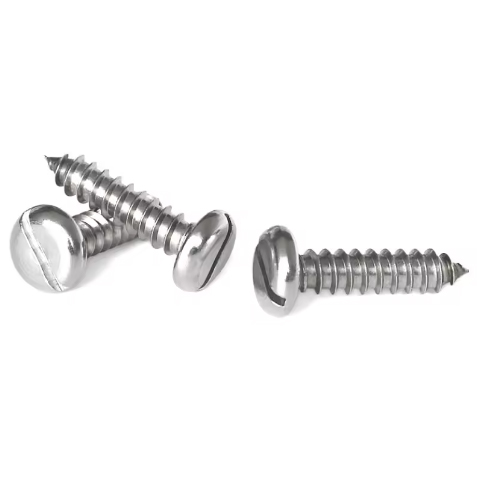

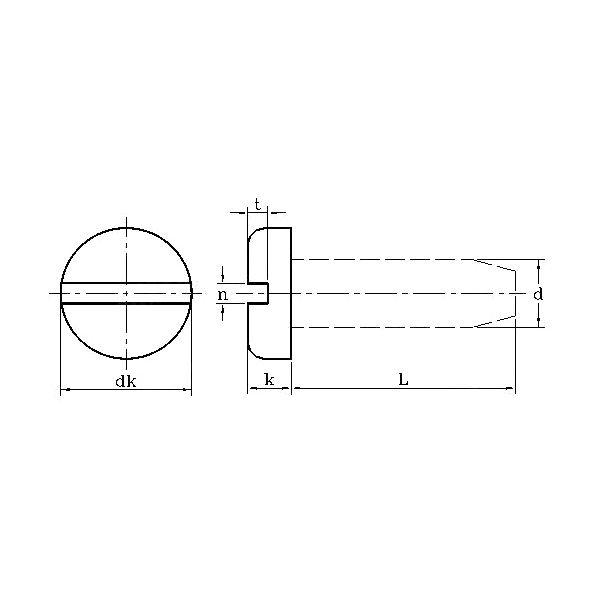
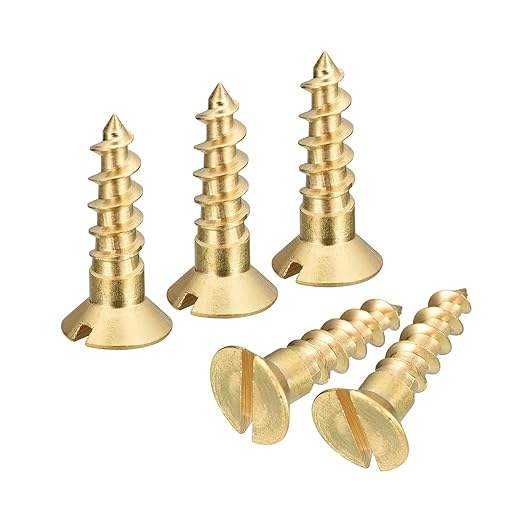
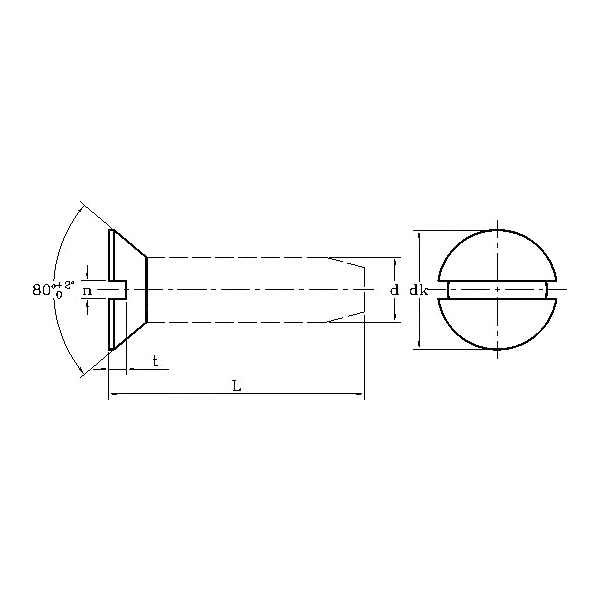
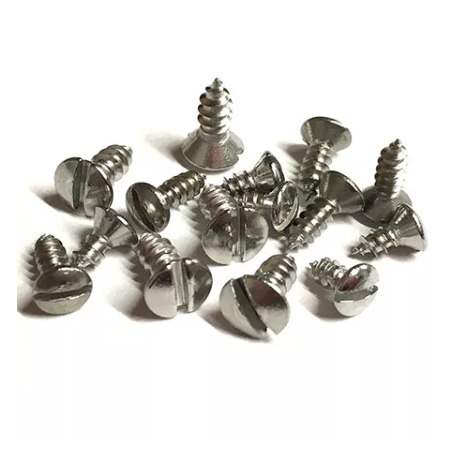
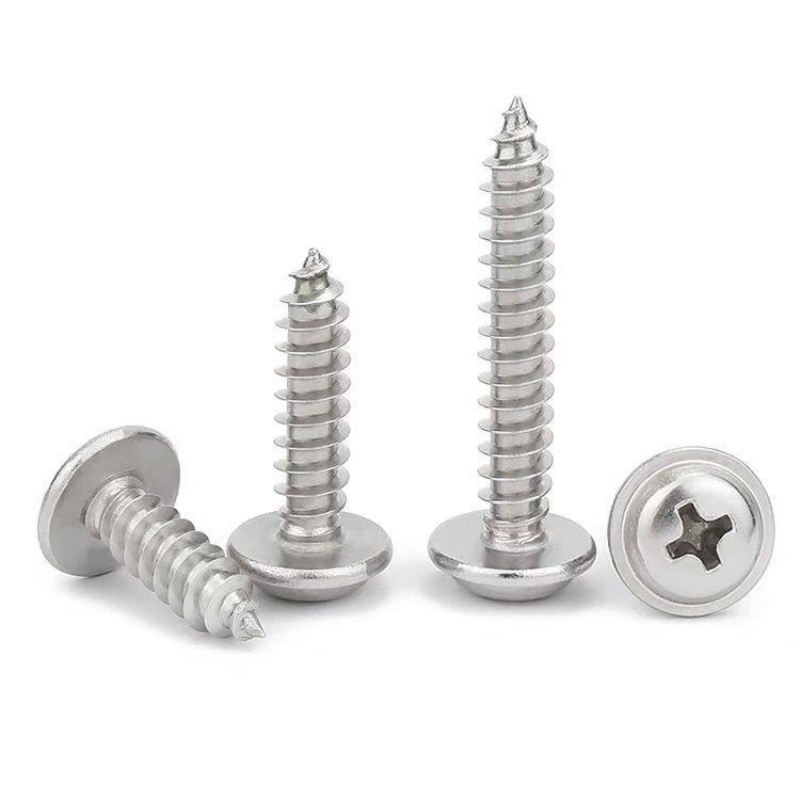
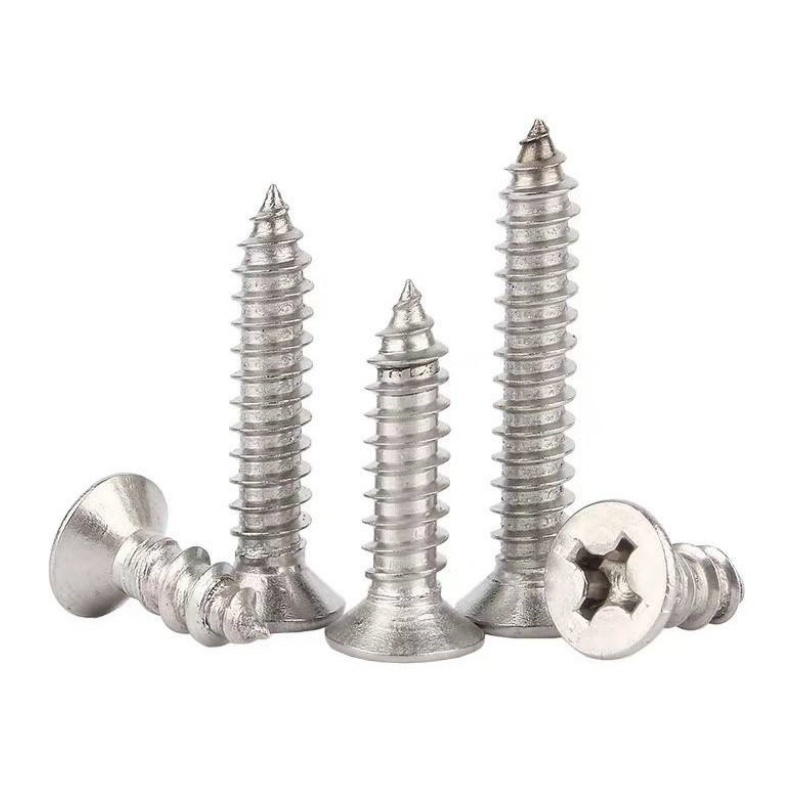

Better Fastener Industry Co., Ltd. manufactures Tapping Screws for sheet metal, plastics, wood and composite assemblies. Our range covers slotted, Phillips, hex head, flange, socket and Torx drive forms in carbon steel and stainless steel, produced to DIN, ISO and ASME/ANSI dimensional standards.
We operate as a direct fastener manufacturer with in-house production, an international sales department and one-stop supply across screws, bolts, nuts and washers. Tapping screws are supplied as standard parts or developed from drawings and samples for specific enclosure, panel and light-gauge frame applications.
What Our Tapping Screw Range Covers
Tapping screws form their own mating thread as they are driven, so the joint needs no nut, insert or pre-tapped hole. The hardened thread displaces and cuts into the substrate, producing immediate holding force. We produce the drive, head and thread forms that match the assembly method and the material being joined.
- Slotted drives — pan, countersunk and oval countersunk heads for low-cost manual and low-torque power assembly.
- Phillips drives — pan, countersunk and oval countersunk heads for controlled cam-out and higher production torque.
- Hex and flange heads — higher driving torque and load distribution on thicker sheet and structural panels.
- Socket and Torx drives — internal drives for automated lines and repeated tightening cycles.
- Self-drilling types — drill-point tips that pierce and thread in one operation, removing the pilot-hole step.
Standard Range and Dimensional References
Our tapping screw catalogue is organised by head form, drive type and governing standard. The table below shows the main families we produce and the applications they suit.
| Product family | Standard reference | Typical application fit |
|---|---|---|
| Pan head slotted tapping screw | DIN 7971; ASME/ANSI B18.6.3 | Electrical enclosures, light brackets, general sheet metal |
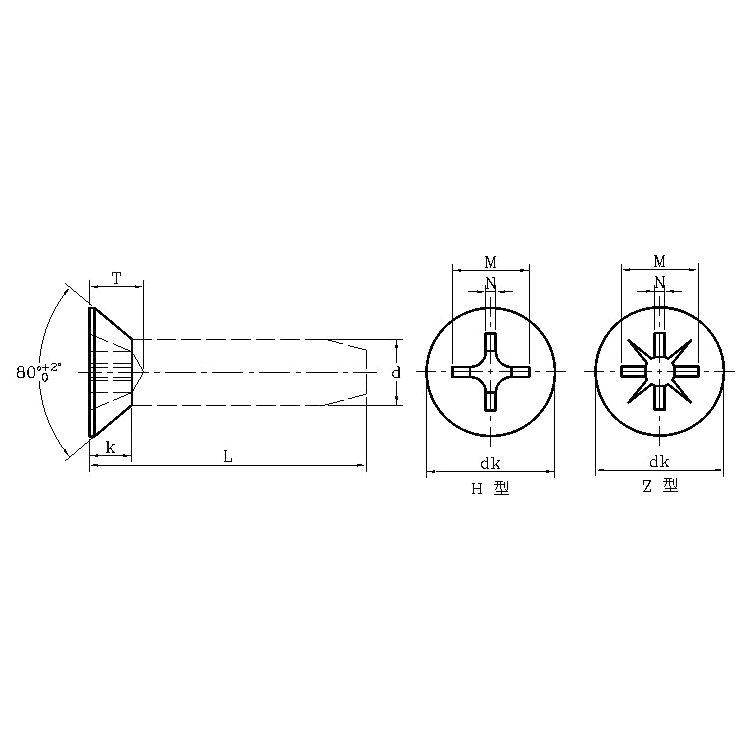
| Countersunk head slotted tapping screw | DIN 7972; ASME/ANSI B18.6.3 | Flush surfaces, panels, covers where head clearance is required |
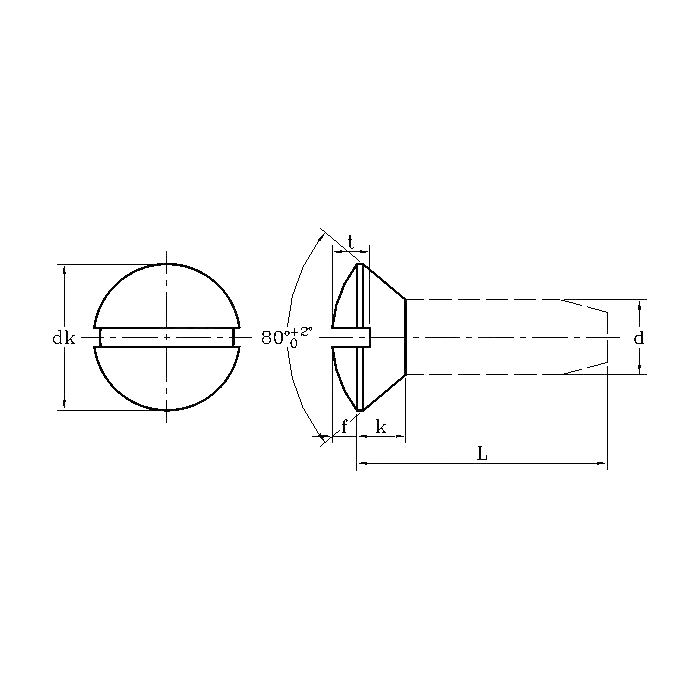
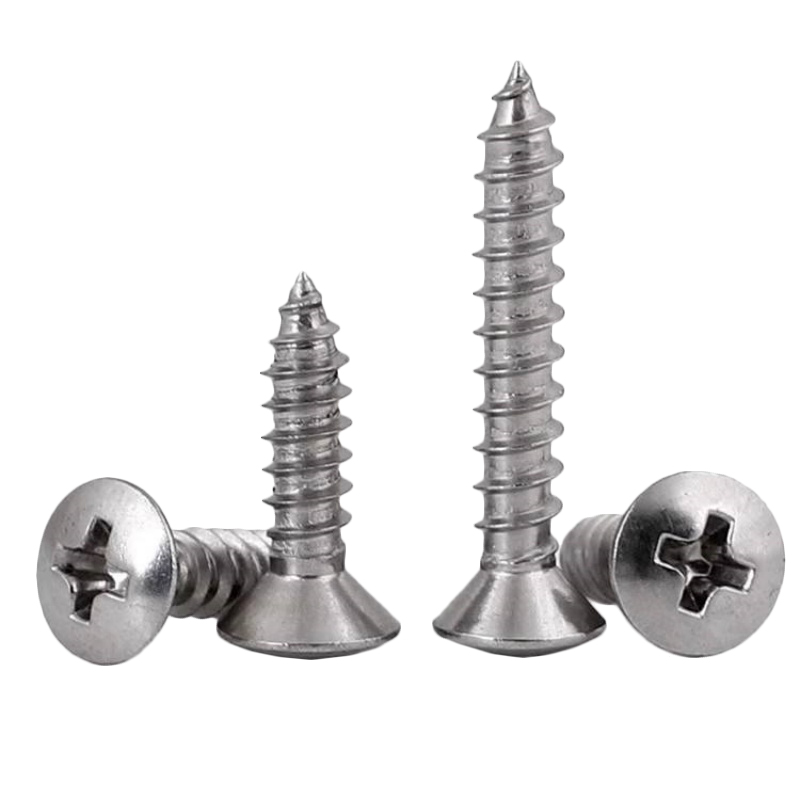
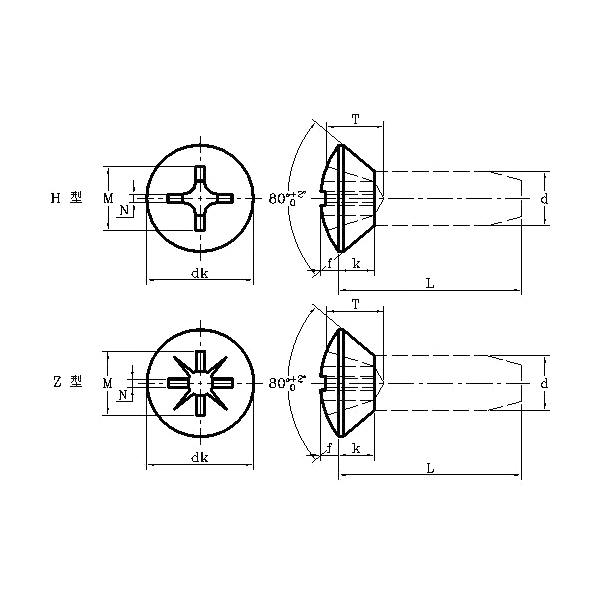
| Oval countersunk head slotted tapping screw | DIN 7973; ASME/ANSI B18.6.3 | Decorative or semi-flush fixings, furniture hardware |
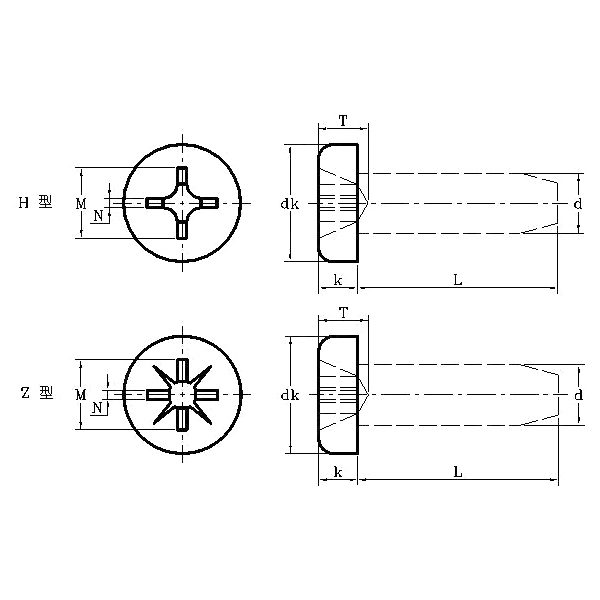
| Pan head Phillips tapping screw | DIN 968; ASME/ANSI B18.6.3 | HVAC ductwork, appliance panels, high-volume assembly |
| Countersunk head Phillips tapping screw | DIN 7982; ASME/ANSI B18.6.3 | Flush panel joints, automotive interiors, cabinets |
| Oval countersunk head Phillips tapping screw | DIN 7983; ASME/ANSI B18.6.3 | Semi-flush fixings, trim and hardware assemblies |
| Hex head tapping screw | DIN 7976; DIN 6928; ASME/ANSI B18.6.3 | Thicker sheet, frames, brackets needing higher torque |
| Hex head flange tapping screw | ASME/ANSI B18.6.5M | Structural panels, load-spreading under the head |
| Socket head cap tapping screw | ISO 4762 | Machine building, recessed fixings, automated driving |
| Pan head Torx tapping screw | ISO 14585 | High-torque automated assembly, reduced cam-out |
Thread Types and Substrate Matching
Thread geometry and tip profile determine how the screw enters the substrate and how much material it displaces. We match the type to the sheet thickness, material hardness and whether a pilot hole is acceptable in the process.
- Type A (sharp point, coarse pitch) — thin sheet metal and plastics where fast entry and high pull-out resistance are needed.
- Type B (blunt point, finer pitch) — thicker stock and formed holes, reducing the risk of stripping in heavier gauge material.
- Self-drilling (drill point) — pierces and threads in one pass, removing the pilot-hole operation on sheet metal and ductwork.
- Thread-cutting and thread-forming variants — for plastics and die-cast materials where controlled material displacement is preferred.
Materials, Finishes and Corrosion Options
Carbon steel tapping screws are case-hardened so the thread can cut into the substrate while the core retains toughness. Stainless steel grades are selected where the joint is exposed to moisture, cleaning agents or outdoor conditions.
- Carbon steel, case-hardened — general sheet metal, enclosures and high-volume assembly.
- Zinc plating — standard corrosion protection for indoor and sheltered applications.
- Stainless steel — exterior panels, wet environments and applications where coating damage is a concern.
- Post-treatment processes — hot-dip galvanizing and blackening are available across our fastener production for components that require them.
Assembly, Tooling and Line Integration
Tapping screws are driven with manual tools, handheld power drivers or automated feeding systems. Drive type, head form and thread pitch all affect how the screw behaves at the target torque, so we confirm the assembly method before finalising the specification.
- Drive recess matched to the bit or socket used on the line.
- Head form matched to the clearance and seating surface of the joint.
- Thread type matched to substrate thickness and hardness.
- Length and thread length matched to the grip required through the panel stack.
- Plating or stainless grade matched to the service environment.
Quality Control and Acceptance
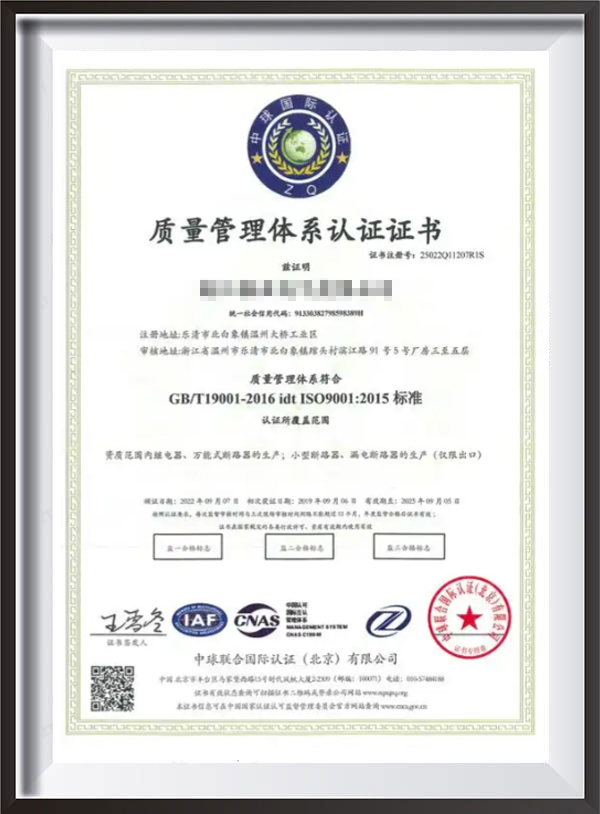
We implement total quality management across the production process. Inspections are carried out after each process, and finished products undergo final inspection against customer requirements and the applicable international standard. Our laboratory is equipped with a spectrometer, coordinate measuring machine, X-ray flaw detector and other testing equipment for chemical composition, mechanical properties, non-destructive testing and geometric dimensions.
- Dimensional checks against the specified DIN, ISO or ASME/ANSI standard.
- Hardness verification for case-hardened carbon steel screws.
- Plating thickness and appearance inspection where coating is specified.
- Thread form and drive recess gauging.
- Documentation and certification supplied with the shipment as agreed at order stage.
Related Fastener Range
Tapping screws are one part of our wider fastener programme. Projects that combine screws with other fasteners can be consolidated into a single supply arrangement.
- Bolts — hexagon head, flange, carriage, countersunk and other head forms for structural and machine joints.
- Nuts — hexagon, flange, lock, acorn and slotted nuts matched to the bolt range.
- Hexagon Head Bolts — general-purpose threaded fasteners for heavier assemblies.
Information We Use to Configure Your Solution
To prepare a tapping screw specification and quotation, we work from the joint and the assembly process rather than a part number alone. The following inputs let us confirm the correct head, drive, thread type, material and finish.
| Project input | What we confirm |
|---|---|
| Substrate material and thickness | Thread type, tip profile and screw length |
| Joint design and grip length | Thread length and head seating form |
| Assembly method and torque target | Drive type, head form and hardness |
| Service environment | Carbon steel with plating or stainless steel grade |
| Governing standard or drawing | Dimensional and inspection criteria |
| Order quantity and packaging format | Production planning and packing configuration |
Custom Development and Supply Support
Customized production is a core part of our business. We develop and manufacture tapping screws from customer drawings or samples, covering non-standard head forms, drive recesses, thread profiles, lengths and finishes. Our engineering team reviews the drawing, confirms the production route and provides a specification for approval before batch production.
We consolidate fasteners into a single supply programme, with packaging solutions and logistics options matched to the delivery destination. Our location within a short drive of Shanghai and Ningbo ports supports efficient export handling for bulk and mixed orders.
Frequently Asked Questions
What is the difference between a tapping screw and a self-drilling screw?
A tapping screw cuts its own thread into a pilot hole or a formed opening. A self-drilling screw has a drill point that pierces the material and forms the thread in one operation, removing the pilot-hole step. We produce both types and match the choice to sheet thickness and the assembly process.
Which materials and finishes are available?
We produce tapping screws in case-hardened carbon steel and in stainless steel. Zinc plating is the standard finish for carbon steel, and hot-dip galvanizing and blackening are available as post-treatment processes. Stainless steel is selected for wet, outdoor or chemically exposed joints.
Can you manufacture to a specific DIN, ISO or ANSI standard?
Yes. Our tapping screw range covers DIN 7971, DIN 7972, DIN 7973, DIN 968, DIN 7982, DIN 7983, DIN 7976, DIN 6928, ISO 14585, ISO 4762 and ASME/ANSI B18.6.3 and B18.6.5M references, among others. We confirm the governing standard at quotation stage and inspect against it.
Do you support custom head forms and non-standard dimensions?
Customized production is our core business. We develop tapping screws from drawings or samples, including non-standard head shapes, drive recesses, thread profiles and lengths. Our engineering team reviews the requirement and provides a specification for approval before production.
How is quality verified before shipment?
Inspections are carried out after each production process, and finished products undergo final inspection against customer requirements and the applicable standard. Our laboratory uses a spectrometer, coordinate measuring machine, X-ray flaw detector and other equipment to check chemical composition, mechanical properties, non-destructive testing and geometric dimensions.
What information do you need to quote a tapping screw order?
We need the substrate material and thickness, joint design and grip length, assembly method and torque target, service environment, governing standard or drawing, order quantity and packaging format. With these inputs we confirm the head, drive, thread type, material and finish, then issue a specification and quotation.





