


 English
 Español
 عربى
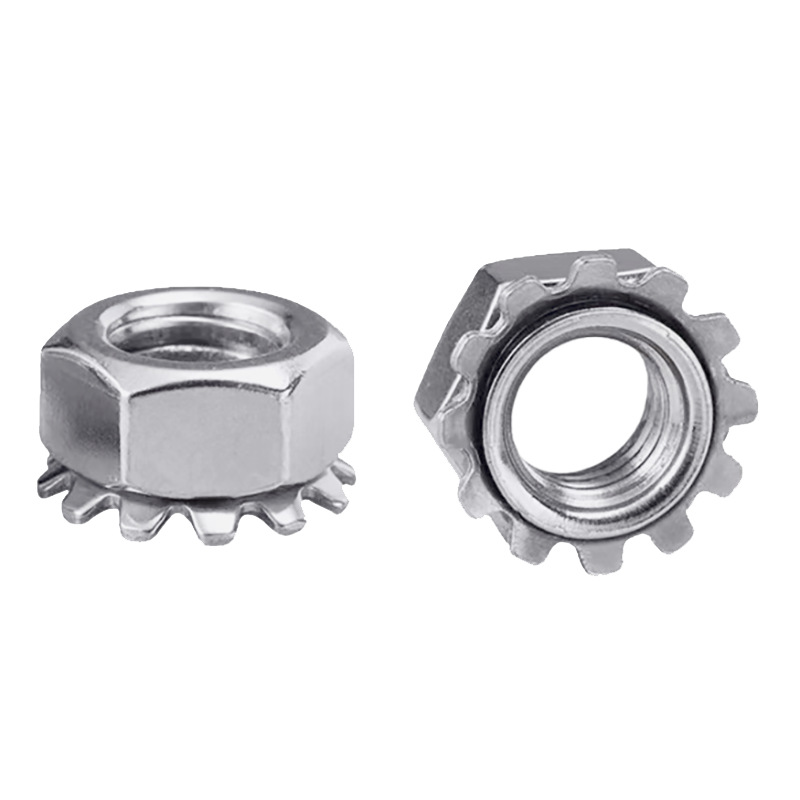


Better Fastener Industry Co., Ltd. is a Combination Nuts manufacturer supplying pre-assembled nut-and-washer units to assembly plants, appliance and electronics producers, and fastener distributors worldwide. Each unit joins a threaded nut body to a permanently attached flat washer, so the washer is always present, correctly oriented and seated at the joint interface.
Our range covers inch-series and metric combination nuts together with clip-nut variants, produced in carbon steel and stainless steel with zinc or nickel plating. They are specified where compact joint height, controlled clamp load and repeatable automated assembly matter more than a loose washer bin at the line side.
What a Combination Nut Does at the Joint
A combination nut is a single fastening unit: an internally threaded nut body with a flat washer captured on the bearing face. Because the washer cannot separate, rotate away or be omitted, the bearing area under the nut stays constant from the first part to the last part of a production run.
The captive washer also spreads clamp load over a wider contact patch than a bare nut face, which protects painted, coated and thin-gauge panels from indentation and pull-through. On automated drivers and multi-spindle stations, one pick feeds both components, shortening cycle time and removing a common source of line stoppage.
- Part-count reduction: one SKU replaces a nut plus a separate washer, simplifying kitting, bin control and BOM structure.
- Consistent orientation: the washer stays flat against the workpiece and does not spin free during tightening.
- Assembly speed: suited to high-volume lines where manual washer placement is impractical.
- Joint protection: wider bearing face limits surface damage on soft or coated materials.
Our Combination Nut Range
We produce combination nuts to inch and metric series, with the washer form, nut geometry and finish selected against the joint rather than offered as a single stock item. The two configurations below cover most enquiries we receive.
| Type | Construction | Typical Fit | Material / Finish |
|---|---|---|---|
| YJT 3029 (I) Inch Series Combination Nut | Hex nut body with captive flat washer, inch thread | Appliance, electronics and equipment panels using inch fasteners | Carbon steel, zinc plated; stainless steel |
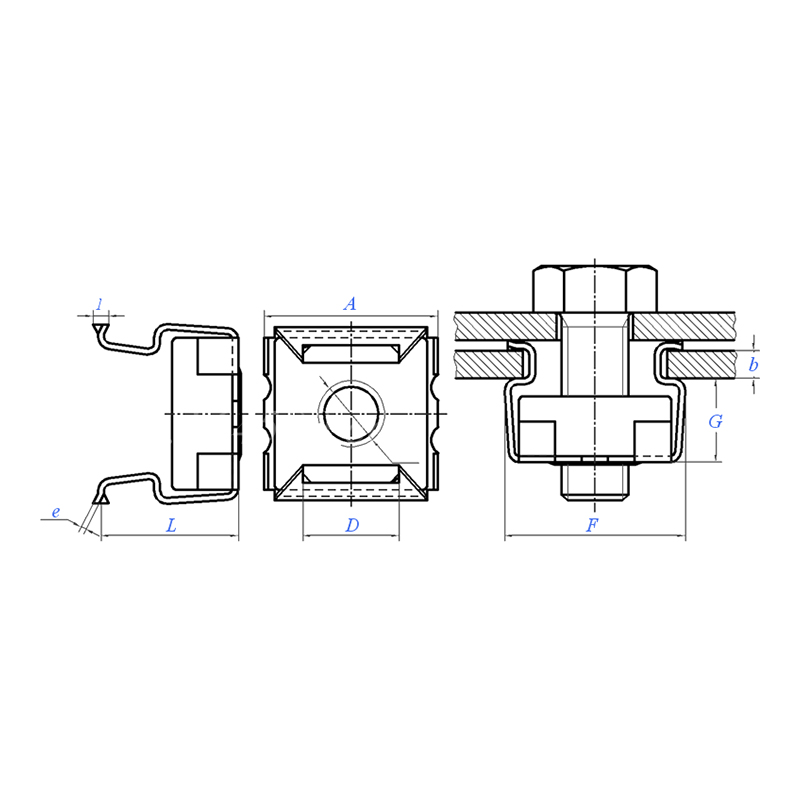
| YJT 3032 Combination Clip Nut | Nut with integral clip and washer, snap-on location | Sheet-metal assemblies, brackets and blind-side fixing points | Spring steel or carbon steel, zinc or nickel plated |
| Metric combination nuts | Hex nut body with captive washer, metric coarse thread | General machinery, cabinets, communication equipment | Carbon steel, zinc plated; stainless steel |
| Custom combination nuts | Built to drawing or sample: washer OD, nut height, thread, coating | Project-specific joints with defined clamp and clearance limits | Carbon steel, stainless steel, low-alloy steel |
Where a project needs a different bearing face, thread class or plating thickness, we develop the part from your drawing or sample rather than forcing a catalogue item into the joint. Related threaded components in our programme include Hexagon Nuts and Lock Nuts for joints that need a separate prevailing-torque element.
Application Fit Across Assembly Types
Combination nuts suit joints that are small, produced in volume and tightened by powered tools. The captive washer keeps the bearing condition identical whether the joint is run on a manual station or an automated driver.
- Consumer electronics and communication equipment: compact joints with tight height budgets, where a loose washer is difficult to handle.
- Household appliances: high-volume panel and chassis assembly, often with coated steel that benefits from a wider bearing face.
- Precision hardware and instruments: consistent clamp load across many identical fastening points.
- Sheet-metal enclosures and brackets: clip-nut versions allow location from one side before the screw is driven.
For heavier structural joints, our Hexagon Head Bolts and Washers are matched to the same thread and material system so a single supply programme covers the whole connection.
Materials, Threads and Finishes
We produce combination nuts in carbon steel and stainless steel, with low-alloy steel available for parts calling for higher strength. Thread form, pitch and tolerance class follow the standard named on the drawing, and we confirm the mating screw or bolt thread before releasing a sample.
| Parameter | Options We Work To | Confirmed At Proposal Stage |
|---|---|---|
| Material | Carbon steel, stainless steel, low-alloy steel | Grade and property class |
| Thread | Metric coarse and fine, inch series | Diameter, pitch, tolerance class, hand |
| Washer | Captive flat washer; clip and washer assembly | Outer diameter, thickness, retention method |
| Finish | Zinc plating, nickel plating, blackening, hot-dip galvanizing | Coating type and appearance requirement |
| Geometry | Hex body, clip body, reduced or full height | Across-flats, height, bearing face detail |
Quality Control and Acceptance
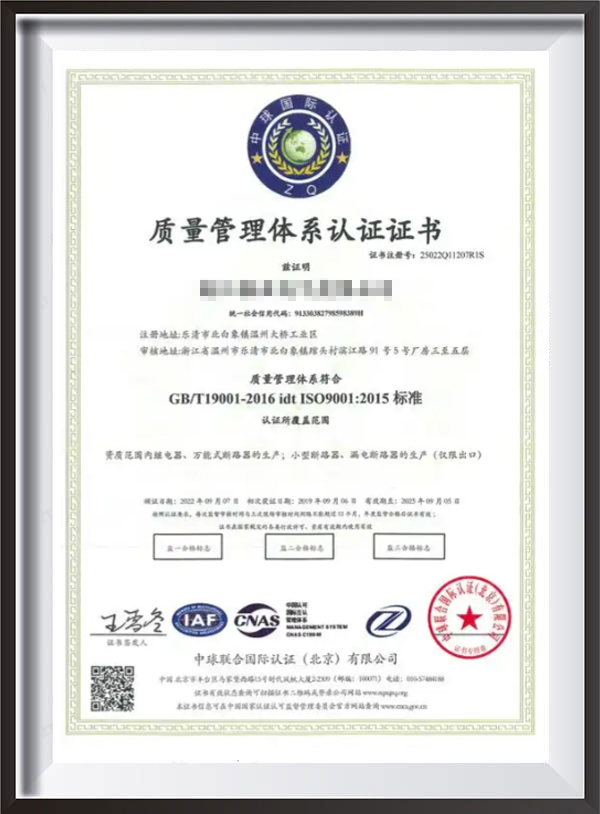
Combination nuts are inspected through the production route, with checks after each process and a final inspection of finished parts against the agreed drawing and standard. Our laboratory is equipped with a spectrometer, coordinate measuring machine and X-ray flaw detector, which lets us monitor chemical composition, mechanical properties, non-destructive condition and geometric dimensions in one programme.
- Thread gauging and dimensional checks on nut body and washer.
- Washer retention verified so the unit survives handling, feeding and driving.
- Plating thickness and appearance checked against the specified finish.
- Inspection records and test reports issued with the shipment where the order requires them.
Acceptance criteria are agreed before production: the standard, the drawing revision, the sampling plan and the documents that travel with the goods. Where a customer works to an internal specification, we build the inspection plan around it.
Packing, Delivery and Documentation
Fasteners leave our plant in packaging matched to the receiving channel: bulk cartons for line-side consumption, small boxes or blister packs for retail and service channels, and export cartons for consolidated shipments. Labels, carton marks and quantity splits are set to the customer's instruction so goods can be booked in without repacking.
Our location within about 35 km of Shanghai and Ningbo ports supports sea freight as the standard mode, with air freight arranged through Ningbo or Shanghai airports when a schedule requires it. Shipping documents, packing lists and inspection paperwork are prepared to match the agreed trade terms.
Information We Use to Configure Your Solution
A combination nut is only correct when the nut, washer and mating thread work together at the joint. The following inputs let us select or develop the right part and quote it accurately.
- Thread size, pitch and standard, plus the mating screw or bolt specification.
- Material and property class, and whether corrosion resistance is required.
- Washer outer diameter, thickness and retention type, or the panel thickness for clip versions.
- Finish: zinc, nickel, blackening or hot-dip galvanizing, with any appearance requirement.
- Joint conditions: clamped material, panel coating, target clamp load and clearance around the nut.
- Assembly method: manual tool, powered driver or automated feeding, and the drive interface.
- Annual volume, batch size and delivery schedule.
- Drawing or sample, inspection requirements and documentation needed at acceptance.
- Packaging format and labelling for the receiving channel.
Send these details with your enquiry and we will confirm the part, the sample route and the production plan. Custom development from drawings or samples is our core business, and our engineering team reviews the joint before a tool is committed.
Frequently Asked Questions
What is the difference between a combination nut and a standard nut with a separate washer?
The washer is permanently attached to the nut, so it cannot be left out, dropped or fitted upside down. The bearing face under the nut is therefore identical on every joint, which is the main reason combination nuts are chosen for high-volume and automated assembly.
Which materials and finishes can you supply?
We produce combination nuts in carbon steel, stainless steel and low-alloy steel, with zinc plating, nickel plating, blackening and hot-dip galvanizing among the finishes we handle. The material and coating are fixed against the joint environment and the mating fastener.
Can you manufacture to our drawing or sample?
Yes. Custom development from drawings or samples is our core business. We review thread, washer geometry, retention method, material and finish, then produce a sample for fit and function approval before batch production.
How is quality verified before shipment?
Inspection runs through the process route, with final inspection of finished parts against the agreed standard and drawing. Our laboratory covers chemical composition, mechanical properties, non-destructive testing and geometric measurement, and inspection records are issued with the order where required.
What packaging and shipping options do you offer?
We pack to bulk cartons, retail boxes, blister packs or export cartons according to the sales channel, with labelling set to your instruction. Sea freight is the standard mode from Shanghai and Ningbo, and air freight can be arranged when the schedule calls for it.
What do you need from us to prepare a quotation?
Thread and standard, material and property class, washer dimensions, finish, joint conditions, assembly method, annual volume, delivery schedule, drawing or sample, and packaging requirements. With those inputs we confirm the configuration and the production plan.





