


 English
  Español
  عربى
عربى 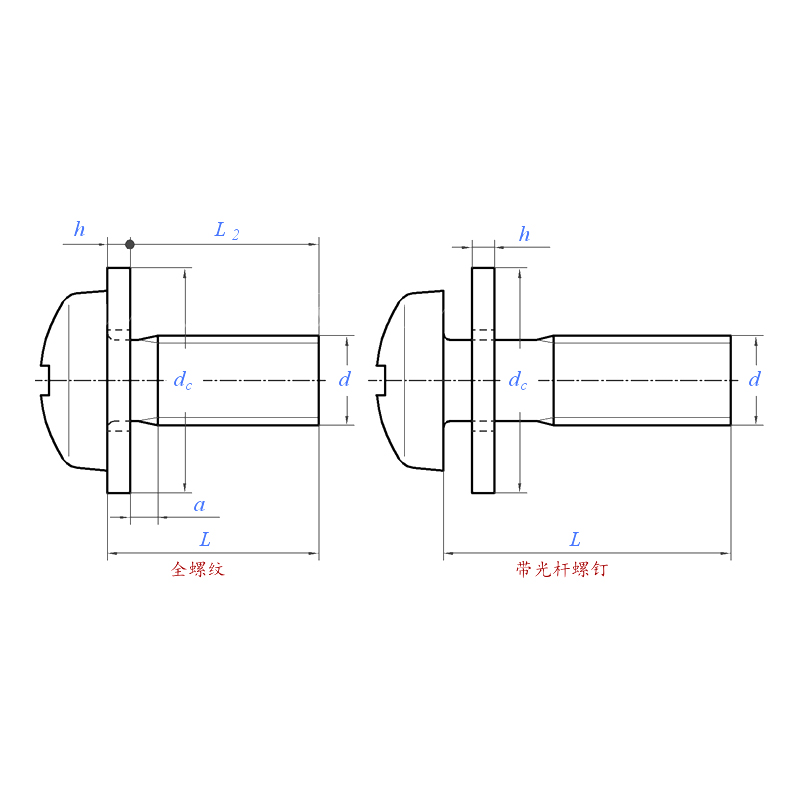

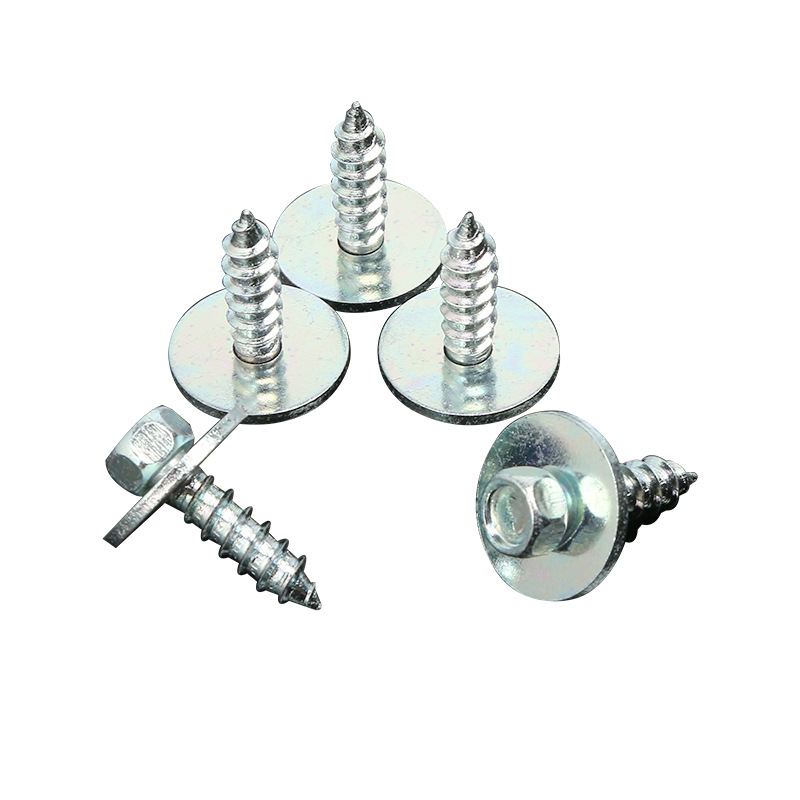
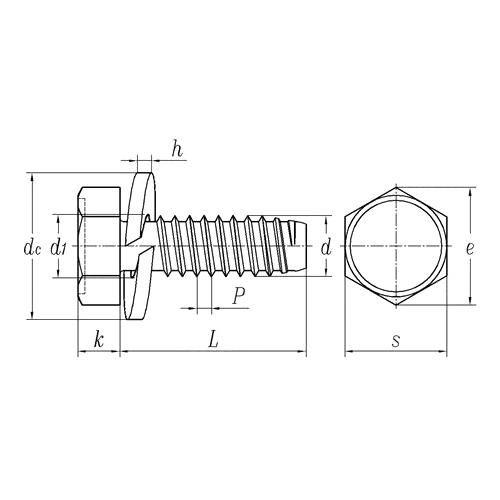

Better Fastener Industry Co., Ltd. is a Fastener Assemblies manufacturer supplying pre-assembled units in which a screw or bolt, one or more washers and, where the joint calls for it, a nut or stamped retainer are combined before shipment, so the line receives one part instead of four. We began as a washer factory in 2001 and expanded into bolts, nuts and spring nuts in 2010, which means the washer, the thread and the locking element inside an assembly are produced and controlled within the same organisation.
Our assemblies are built to DIN 6900-1, DIN 6901, DIN EN ISO 10510 (S1), ASME B18.13 and ASME/ANSI B18.13.1M references, and to customer drawings where a standard combination does not match the joint. Base materials are carbon steel, stainless steel and low-alloy steel, with zinc plating, hot-dip galvanizing or blackening applied according to the service environment.
The Fastener Assembly Range We Supply
Every family below is delivered as a single captive unit: components are matched at the factory, and the relationship between head, washer and thread is fixed before packing. Screw-and-washer assemblies are also known as SEMs in automotive and appliance work, and the engineering logic is the same, because capturing loose parts at the source takes component selection away from the assembly station.
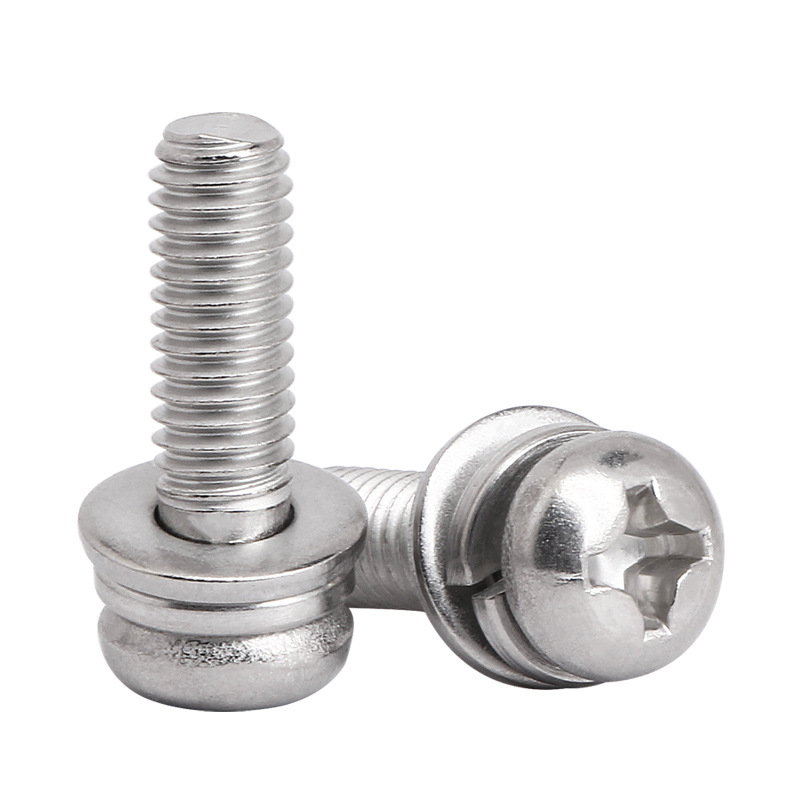
- Pan head screw with flat washer: DIN 6900-1:1990 Phillips pan head configuration for cabinet, appliance and hardware assembly.
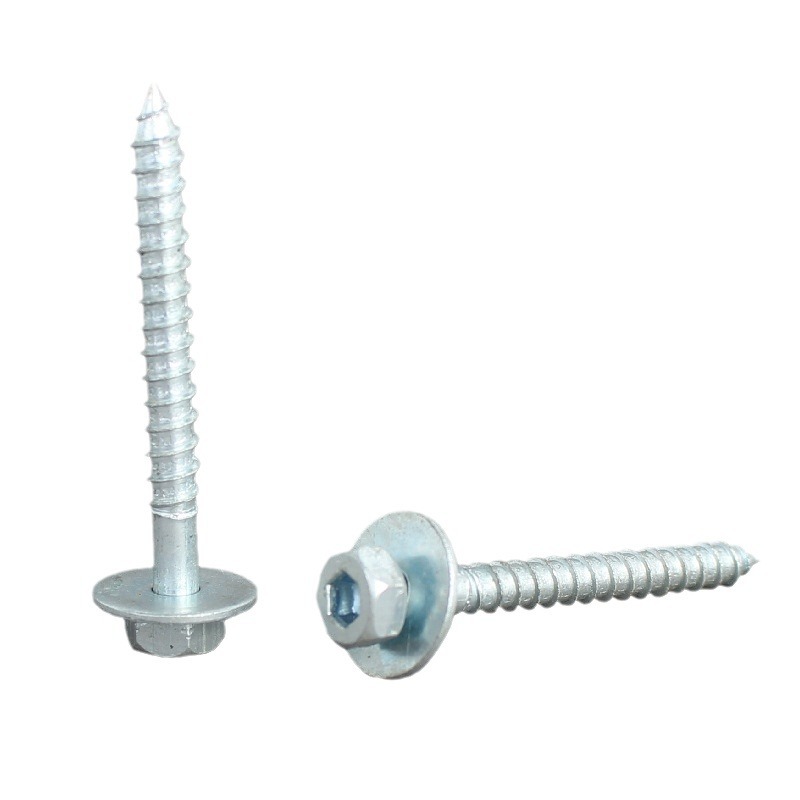
- Hex head with flat washer: DIN 6900-1:1990 hex head variant for higher-torque sheet metal and bracket joints.
- Washer retaining assembly: DIN 6901:1990 pattern used where a captive washer is required on a general screw or bolt.
- Slotted pan head with spring washer: ASME/ANSI B18.13.1M:2011 metric configuration for joints exposed to vibration.
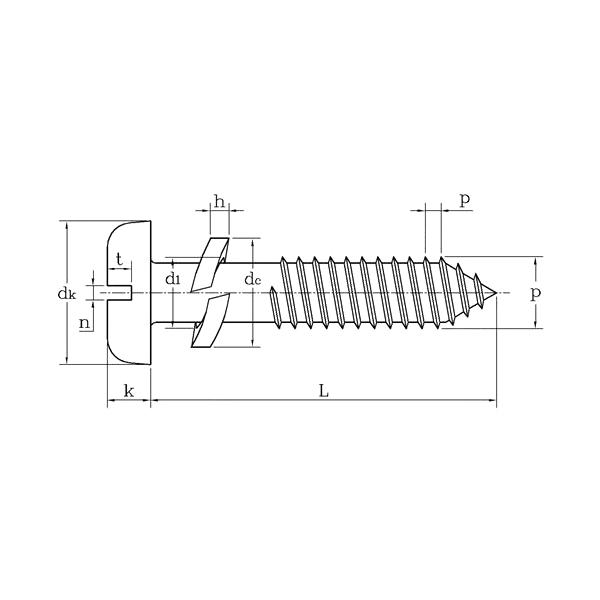
- Tapping screw with flat washer: DIN EN ISO 10510 (S1):2011 for thread-forming assembly into sheet and light-gauge sections.
- Hex head with spring washer: ASME B18.13:2017 for frames, covers and equipment panels.
- Drawing-specified assemblies: combinations built from our bolts, hexagon head bolts and nuts with plain, spring, lock or sealing washers.
Standard Assemblies and Their Application Fit
| Assembly type | Reference standard | Typical build | Application fit |
|---|---|---|---|
| Pan head screw with flat washer | DIN 6900-1:1990 | Phillips pan head screw, plain washer, captive retention | Electrical cabinets, appliance panels, furniture hardware |
| Hex head with flat washer | DIN 6900-1:1990 | Hex head screw or bolt, plain washer | Sheet metal structures, brackets, machinery covers |
| Washer retaining assembly | DIN 6901:1990 | Screw or bolt with permanently retained plain washer | General mechanical and light structural assembly |
| Slotted pan head with spring washer | ASME/ANSI B18.13.1M:2011 | Metric pan head slotted screw, spring washer | Vibration-exposed covers and machine housings |
| Tapping screw with flat washer | DIN EN ISO 10510 (S1):2011 | Thread-forming screw, plain washer | Light-gauge sheet, HVAC units, enclosures |
| Hex head with spring washer | ASME B18.13:2017 | Hex head screw, spring washer | Frames, equipment panels, automotive brackets |
| Drawing-specified assembly | Customer drawing or sample | Bolt, washer, nut and stamped part combinations | Line-specific joints and OEM programmes |
Where Assemblies Earn Their Place on the Line
Assemblies are specified where handling speed and joint consistency matter more than the unit cost of the individual components. Automotive body and bracket assembly, electrical cabinet manufacturing, furniture hardware and automated production lines are the environments where the format is used most, because one pick and one drive replaces a sequence of loose-part decisions.
- Automotive and new-energy vehicle work: brackets, covers and trim fastening on manual and automated stations.
- Electrical and switchgear: cabinet panels, busbar covers and rail-mounted components.
- Furniture hardware: flat-pack fittings where a missing washer turns into a return.
- Appliance and HVAC: tapping assemblies driven into light-gauge sheet.
- Machinery and construction equipment: vibration-loaded covers where the spring washer stays with the fastener.
How We Configure an Assembly
Configuration starts from the joint rather than from a parts list. We fix the fastener, the washer behaviour and the retention method together, then set material and finish around the service conditions the joint will see.
- Fastener form: hex head, flange, pan, countersunk, or thread-forming screw.
- Drive: Phillips, slotted, hex socket, Torx or external hexalobular.
- Thread: metric coarse or fine, inch series, self-tapping or thread-rolling.
- Washer element: plain, spring, lock, sealing, or a stamped functional part.
- Retention: free-spinning captive washer, or a fixed washer staked to the head bearing face.
- Material: carbon steel, stainless steel or low-alloy steel.
- Finish: zinc plating, hot-dip galvanizing, blackening, or dry-film lubricated coatings.
- Packaging: bulk cartons, retail kits, blister packs or feeder-ready formats.
Materials, Coatings and Joint Behaviour
We match the material grade to the required property class and to the corrosion exposure of the joint, and we keep washer material compatible with the fastener so the bearing surface does not become a galvanic weak point. Coatings follow the environment rather than a generic default: zinc plating for indoor equipment, hot-dip galvanizing or stainless steel for outdoor, wet or chemically loaded service.
Specifications We Confirm Before Release
- Thread size, pitch and tolerance class, plus thread length on part-threaded items.
- Head form, drive size, and washer concentricity to the shank axis.
- Washer inner diameter, outer diameter and thickness, and the force holding it on the fastener.
- Material grade and property class, with hardness and mechanical property verification.
- Coating type and thickness, and any salt-spray duration agreed at order stage.
- Seating and torque behaviour at the assembly station, including driver engagement.
- Marking, labelling and traceability of the production batch.
Quality Control and Acceptance
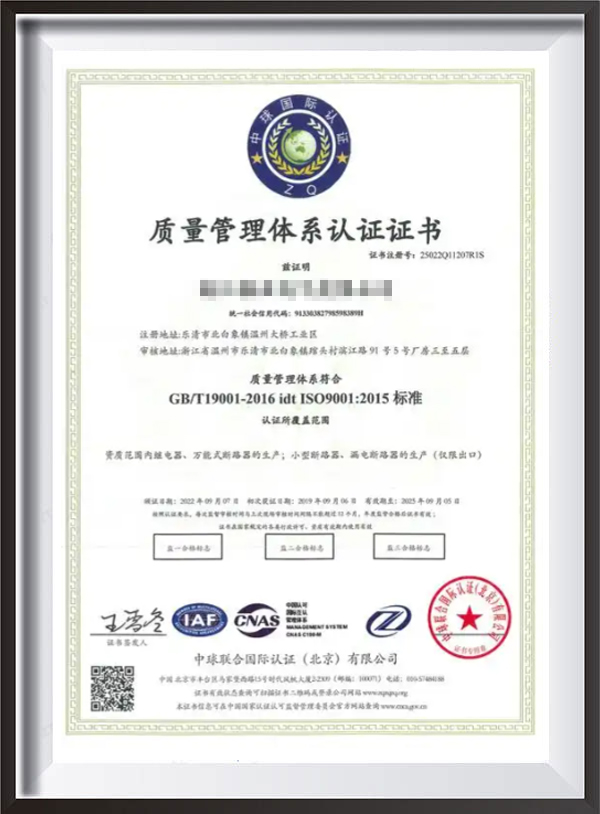
Inspection runs after each production process, and finished assemblies pass final inspection against the agreed drawing or standard before packing. Our laboratory monitors chemical composition, mechanical properties, non-destructive integrity and geometric dimensions using a spectrometer, a coordinate measuring machine and an X-ray flaw detector, within a quality framework aligned with ISO 9001.
Assembly-specific checks concentrate on the two things a loose-part supply chain cannot guarantee: that every component is present and of the correct type, and that the washer is still captive after handling, feeding and transport.
Packaging and Delivery Scope
Assemblies ship in packaging sized to the point of use. We supply retail kits, blister packs and custom boxes for distribution channels, export cartons for bulk shipment, and formats prepared for feeder systems as well as manual line supply. Dispatch runs through Shanghai and Ningbo, with sea freight as standard and air freight for time-critical programmes.
Information We Use to Configure Your Solution
A workable proposal is built on the working point, not on a part number alone. The details below let us fix material, retention, packaging and acceptance in one pass.
- Drawing or physical sample, including the standard reference if the assembly follows one.
- Fastener base, thread specification, head form and drive.
- Washer type and function: bearing, spring, locking or sealing.
- Base material, property class and surface finish, with the service environment.
- Annual volume, call-off pattern and batch size, which drive tooling and packing choices.
- Feeding method: bulk, vibratory feeder, tray or kit, and any orientation requirement.
- Acceptance requirements: dimensions to be reported, test documentation and inspection level.
- Destination, Incoterm and packing standard.
Frequently Asked Questions
Can you produce assemblies outside your standard range?
Yes. Customised development from drawings or samples is central to what we do, and a large share of the assemblies we ship are configured to a customer drawing rather than taken from a standard list.
Which components can be combined in one assembly?
A bolt or screw with a plain, spring, lock or sealing washer; screw-and-nut combinations; and assemblies that include a stamped retainer or bracket element. The exact combination is fixed by the drawing or the referenced standard.
How is the washer held captive on the fastener?
Either as a free-spinning washer retained behind the thread run-out, or as a fixed washer staked into the head bearing face so it does not rotate during tightening. The choice depends on whether the joint needs the washer to turn with the fastener or stay stationary against the workpiece.
What production volumes do you handle?
Our plants run 12 production lines with an annual capacity above 20,000 tons, and small and medium batch purchases are supported alongside large-volume programmes.
Can assemblies be supplied in feeder-ready packaging?
Yes. Packaging is agreed for feeder-system supply as well as manual assembly, with bulk cartons, kits or blister packs where the goods move into a distribution channel.
What documentation accompanies a shipment?
Inspection follows the agreed acceptance plan, with chemical composition, mechanical property and dimensional results recorded in our laboratory; the documentation package is defined at order stage together with marking and traceability requirements.





