


 English
  Español
  عربى
عربى 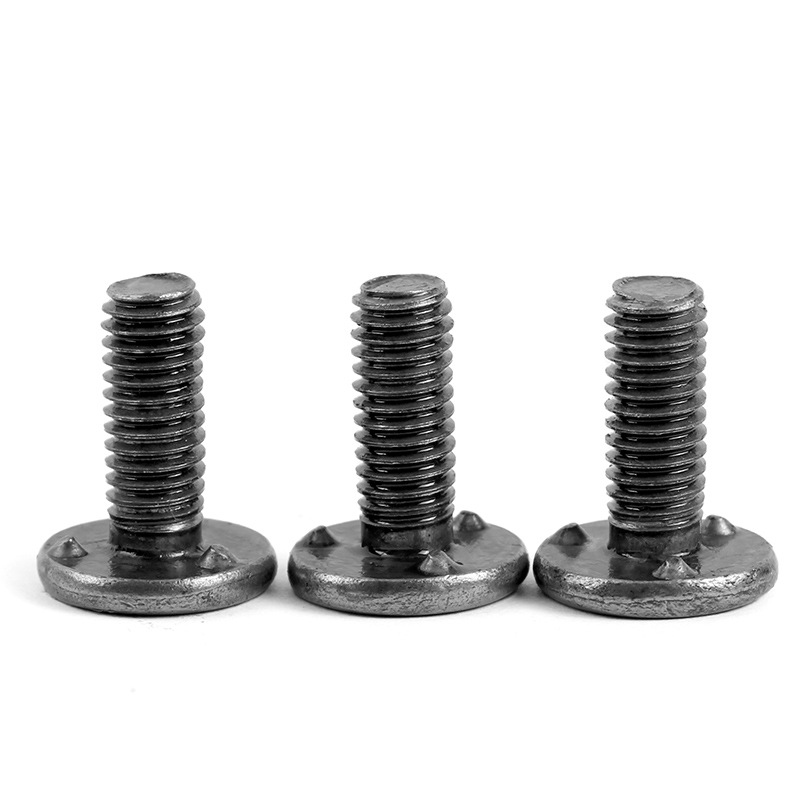

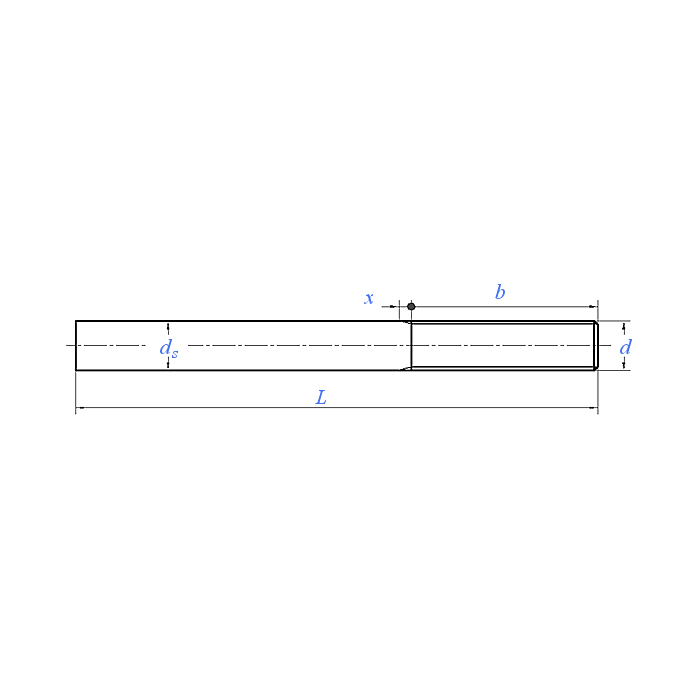
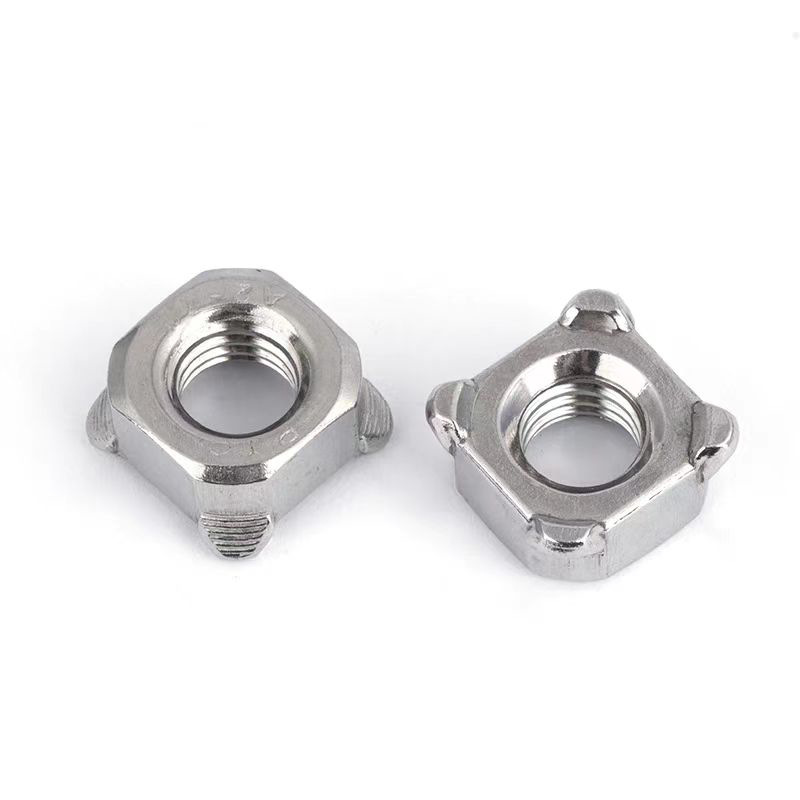
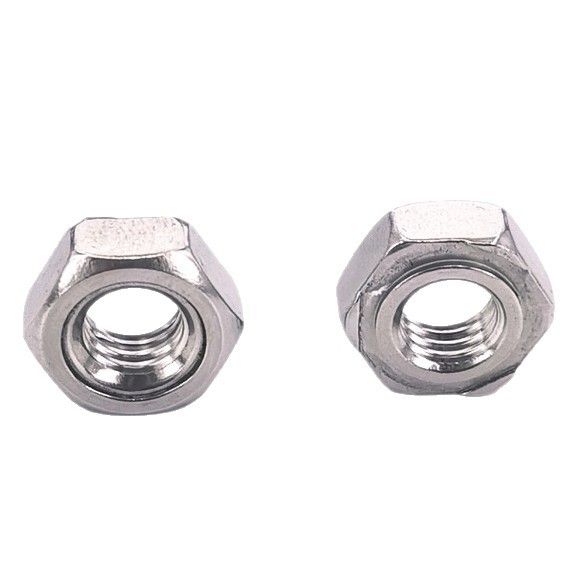
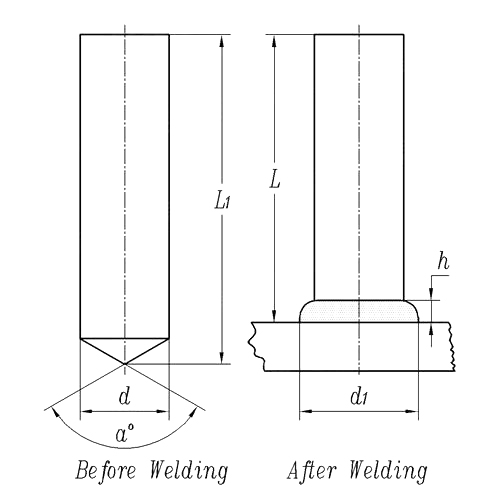

Better Fastener Industry Co., Ltd. is a China-based fastener manufacturer supplying Weld Screws & Nuts alongside bolts, nuts, washers and screws from one consolidated supply program. Our weld fastener range covers projection weld nuts, spot weld screws and drawn arc stud variants in carbon steel and stainless steel, produced to the dimensional requirements of DIN 34817, DIN 525, DIN 928, DIN 929 and DIN 32500.
These parts create a permanent threaded point on sheet metal without drilling through the panel or reaching the reverse side. Automotive body production, appliance shell manufacturing, engineering machinery frames and general sheet metal fabrication are the applications where our weld fastener range is most often specified.
What We Manufacture in the Weld Fastener Range
Weld fasteners differ from conventional threaded hardware because the base is designed for fusion to the parent sheet rather than for clamping through a hole. A raised positioning boss or projection locates the part before welding, holds standoff height, and prevents rotation once the joint is made. Our production covers the standard geometries below, and we also develop parts from customer drawings or samples.
| Product | Standard | Typical Application Fit |
|---|---|---|
| Weld Screw | DIN 34817:2017 | Threaded stud on thin-gauge panels where a removable cover or bracket is fastened later |
| Weld Stud | DIN 525:1986 | General sheet metal assembly, frames and enclosures requiring a fixed male thread |
| Square Weld Nut | DIN 928:2013 | Blind-side threaded boss where the panel face must stay flush |
| Hex Weld Nut | DIN 929:2013 | Higher torque joints on chassis, brackets and structural sheet components |
| Gas Shielded Weld Stud Dowel Pin | DIN 32500 (-2):1991 | Drawn arc stud welding for locating pins and stud anchors |
Materials and Mechanical Considerations
Carbon steel grades are the default for weld nuts and studs that will be painted, plated or coated after welding. Stainless steel is selected where corrosion resistance or a non-magnetic assembly is required, and low-alloy steel is used for higher-strength joints. Because the fastener becomes integral with the parent material after welding, joint performance depends on the combination of base metal, sheet thickness, weld process and thread engagement.
- Thread pull strength in shear and tensile loading typically exceeds the load capacity of the sheet metal itself.
- Base geometry is matched to projection welding, spot welding or drawn arc stud welding, depending on the line equipment.
- Plating and coating options are confirmed against the welding method, since some finishes affect weld quality.
- Thread class, pitch and length are produced to the drawing or to the referenced standard.
Where Weld Fasteners Fit in Production
Weld fasteners are specified when a threaded attachment point is needed on one side of a panel and there is no access to the reverse face, or when a bracket, cover or trim part must be removable after assembly. In automated body and appliance lines, the positioning boss allows the part to be placed and welded in a single station, which keeps cycle time predictable and standoff height consistent across the batch.
Our weld fastener range sits within a broader fastener program that includes Nuts, Bolts and washers, so a project can be supplied with the mating hardware and the weld parts from the same source. Where a welded joint is not suitable, Hexagon Flange Bolts and standard nuts provide an alternative mechanical fastening route.
Configuration Options We Confirm Before Production
- Thread: metric coarse or fine pitch, inch series where required, and thread length relative to sheet thickness.
- Base design: projection geometry, boss height, anti-rotation features and pilot configuration.
- Material: carbon steel, stainless steel or low-alloy steel, with grade confirmed against the joint requirement.
- Surface finish: plain, zinc plated, hot-dip galvanized or blackened, selected to remain compatible with the welding process.
- Dimensional standard: the referenced DIN standard or a customer drawing with tolerances.
Quality Control and Acceptance
We operate total quality management across the production process, with inspection after each operation and final inspection of finished parts against customer requirements and international standards. Our laboratory is equipped with a spectrometer, coordinate measuring machine and X-ray flaw detector, which allows chemical composition, mechanical properties, non-destructive testing and geometric dimensions to be monitored through the batch.
For weld fasteners, dimensional control of the base and boss is as important as the thread, because projection height and concentricity determine weld consistency on the line. Acceptance criteria, sampling plan and any test certificates are agreed when the order is placed, and our products comply with ISO 9001 quality management requirements.
Information We Use to Configure Your Solution
A workable weld fastener proposal depends on the joint, not only on the part number. The following inputs let us confirm the correct standard, material and geometry and quote without repeated clarification.
- Drawing or sample, including the referenced standard and tolerance class.
- Parent sheet material, thickness and surface condition.
- Welding method and equipment available on the line.
- Required thread size, pitch and length, plus the mating fastener.
- Loading direction and torque target for the joint.
- Surface finish requirement and any post-weld coating step.
- Annual volume, batch size and delivery schedule.
- Packaging format and destination port or delivery point.
Production Capacity, Packaging and Delivery
Our facilities run 12 energy-efficient production lines, including one fully automatic shell molding line and four heat treatment lines, with annual output exceeding 20,000 tons. That capacity supports large-volume weld fastener programs while remaining responsive to small and medium batch purchases. Customized production from drawings or samples is a core part of our business rather than an exception.
Packaging is arranged to suit the sales channel, from bulk export cartons to retail kits, blister packs and custom boxes. Our location within a short drive of Shanghai and Ningbo ports supports sea freight as the main shipping mode, with air freight available for urgent deliveries. Trade terms are confirmed at quotation, and typical batch production runs on a 30% deposit with the balance against the bill of lading copy.
Frequently Asked Questions
Which weld fastener standards do you produce?
Our range covers DIN 34817:2017 weld screws, DIN 525:1986 weld studs, DIN 928:2013 square weld nuts, DIN 929:2013 hex weld nuts and DIN 32500 (-2):1991 gas shielded weld stud dowel pins. Parts outside these standards are produced from customer drawings or samples.
Can you supply weld nuts and weld studs in stainless steel?
Yes. We produce weld fasteners in carbon steel, stainless steel and low-alloy steel. The grade is confirmed against the parent sheet material and the corrosion or strength requirement of the joint.
How do you control the weld quality of the base geometry?
Base and boss dimensions are inspected as part of our in-process and final inspection routine, using a coordinate measuring machine and other laboratory equipment. Projection height, concentricity and thread dimensions are checked against the drawing or referenced standard before shipment.
Do you support custom weld fastener development?
Customized production is our core business. We develop and manufacture weld screws, studs and nuts based on the drawings or samples you provide, including non-standard base geometry, thread lengths and surface finishes.
What is the typical order and delivery arrangement?
Trade terms such as FOB and CIF are confirmed at quotation. Batch production typically requires a 30% deposit with the balance against the bill of lading copy, and T/T is the main payment method with L/C negotiable. Sea freight is standard from Shanghai and Ningbo, with air freight for urgent requirements.





