


 English
 Español
 عربى
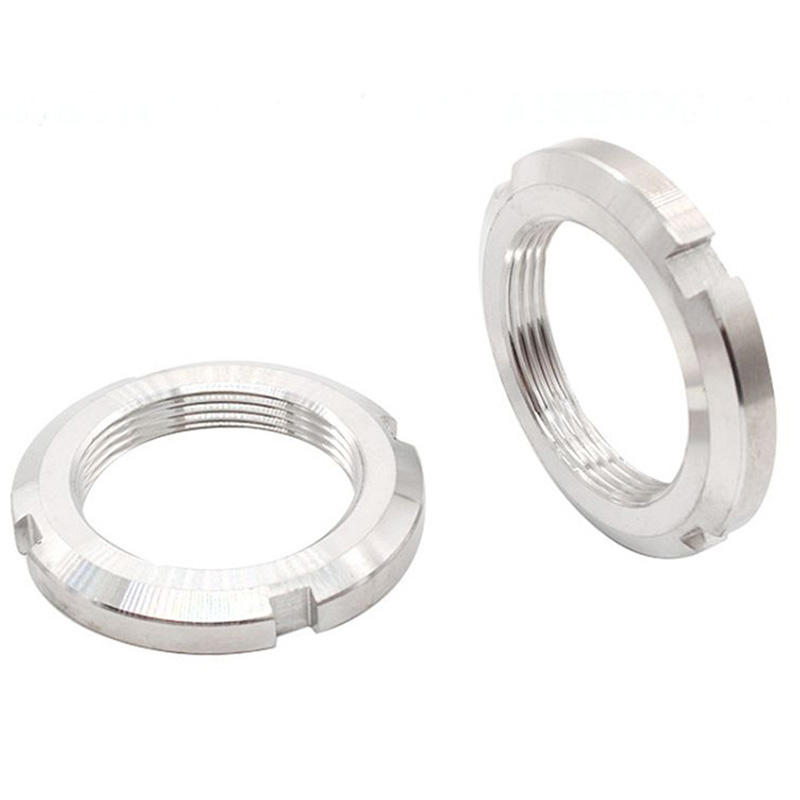

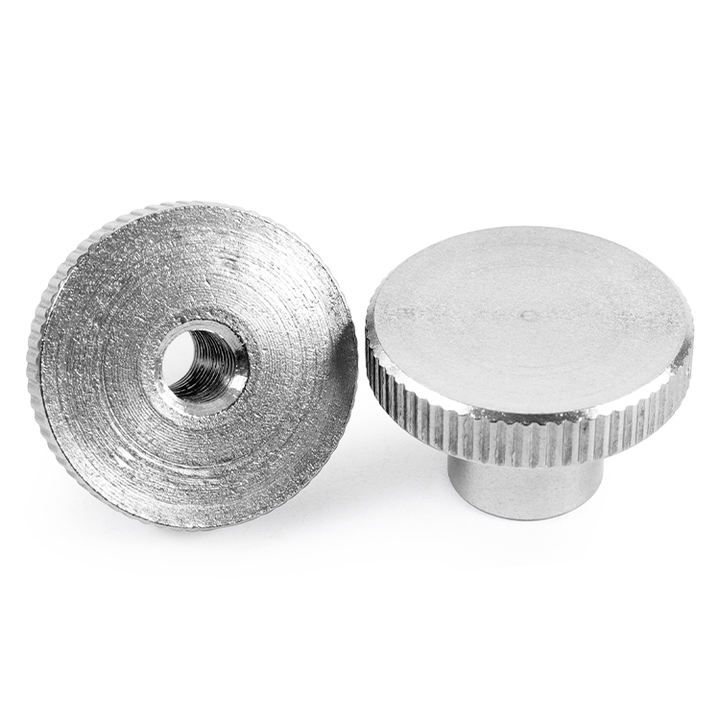
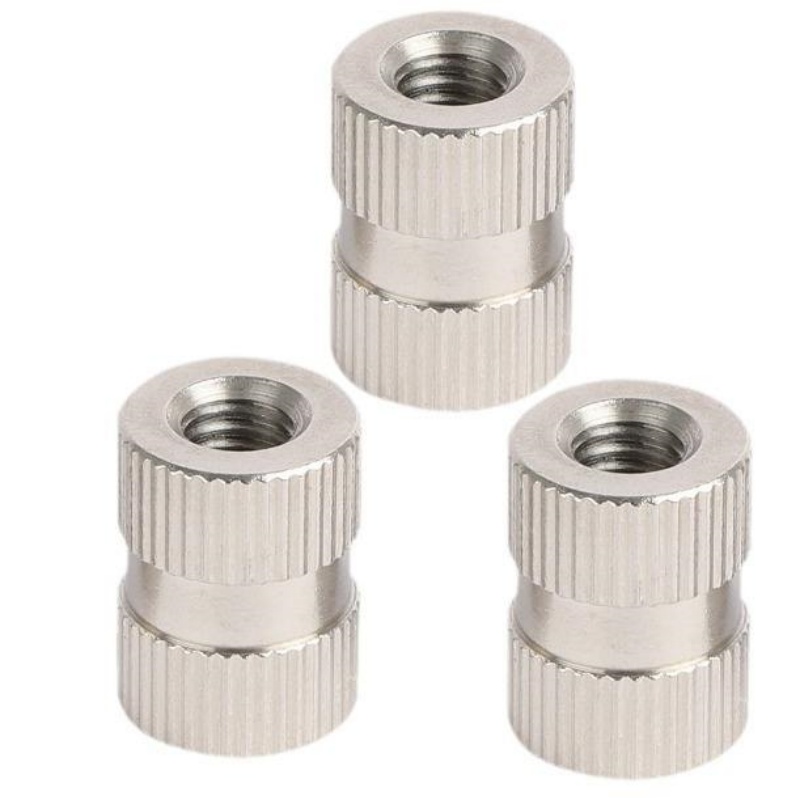

Better Fastener Industry Co., Ltd. is a China-based Round Nuts manufacturer supplying slotted, knurled and shoulder-type round nuts for shaft retention, bearing locking and recessed adjustment points where a hex nut cannot be reached with a standard wrench. Our range covers DIN 981 locknuts, DIN 466 knurled shoulder nuts and DIN 16903 insert nuts in carbon steel and stainless steel, supplied as standard parts or produced to drawing and sample.
Because these parts are driven from the periphery rather than across flats, the working point is defined by thread size, spanner engagement geometry, nut height, material and the locking method used alongside the nut. We build each proposal around those variables and the assembly conditions on your line.
What Round Nuts Are and Where They Fit
A round nut is a flat disc with a threaded centre bore and a notched, slotted or knurled periphery. Torque is applied through a hook spanner, pin spanner or face pin rather than a hex jaw, so the nut can be tightened inside a bore, against a housing shoulder or around a shaft where radial clearance is limited. This is the reason round nuts appear on bearing locknuts, spindle adjustment rings, hydraulic cylinder end caps and gearbox shaft assemblies.
The nut alone rarely carries the locking duty. In most shaft applications it is paired with a tab lock washer, a keyed washer or a second thin nut so that the assembly resists vibration-induced rotation. We supply the nut and, where the project calls for it, the matching washer from our Washers range so the locking stack is dimensionally consistent.
Our Round Nut Range
Four established types cover the majority of shaft-locking and recessed-adjustment requirements. Each is produced to the referenced standard unless a drawing specifies otherwise.
| Type | Standard | Peripheral Drive | Typical Fit |
|---|---|---|---|
| HM type locknut | DIN 981 (HM):2009 | Slotted outer edge, hook spanner | Bearing retention on shafts, tab washer locking |
| Knurled shoulder nut | DIN 466:2024 | Knurled shoulder, hand or pin drive | Adjustment rings, light clamping, tooling fixtures |
| Type A slotted insert nut | DIN 16903 (A):1974 | Slotted face, pin or spanner | Recessed inserts, housings, panel fixing points |
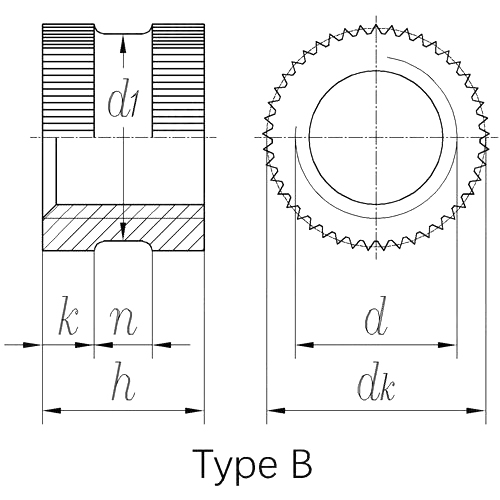
| Type B knurled slotted insert nut | DIN 16903 (B):1974 | Knurled body with slot | Moulded and cast housings, serviceable joints |
Where a project needs a different head form or thread, the same production route supports drawing-based manufacture. Round nuts are one part of a wider nut programme that includes Hexagon Nuts, Lock Nuts and Hexagon Slotted Nuts for the same assemblies.
Materials and Surface Treatment
Carbon steel and stainless steel are the two standard material families for our round nuts. Carbon steel suits general machine building and cost-sensitive volume work; stainless steel is selected where the joint sees moisture, wash-down or a corrosive process atmosphere. Low-alloy steel grades are also available where higher mechanical properties are required.
- Zinc plating — general corrosion protection for industrial machinery and indoor assemblies.
- Blackening — a low-build finish used on precision machinery where dimensional change must stay minimal.
- Hot-dip galvanizing — applied where heavier coating build and outdoor exposure are involved.
Thread form, pitch and tolerance class follow the drawing or the referenced standard. Because a round nut is often the final element setting bearing preload or shaft end float, we treat thread fit and face squareness as the two dimensions that most directly affect assembly behaviour.
Application Fit Across Industries
Round nuts are specified wherever a threaded joint must be tightened from the outside diameter. Our fasteners serve rail transportation, automotive manufacturing, construction machinery, mining and agricultural equipment, shipbuilding, petrochemical plant, building hardware and power accessories.
- Rotating equipment — bearing locknuts on pump, motor and gearbox shafts, locked with a tab washer.
- Machine tools — spindle adjustment rings and preload nuts where fine axial positioning matters.
- Hydraulics and cylinders — end-cap and gland retention inside a bore with no hex access.
- Housings and castings — insert nuts that give a serviceable thread in a moulded or cast body.
- Heavy equipment — shaft and pivot retention on construction, mining and agricultural machinery.
Configuration Options We Produce
Standard catalogue sizes are the starting point, not the limit. The following variables are set during configuration so the nut matches the assembly rather than being adapted on site.
- Thread diameter, pitch and tolerance class, including fine pitches.
- Outside diameter, nut height and shoulder dimensions.
- Slot count and slot width for the hook or pin spanner in use.
- Knurl pattern and depth on knurled types.
- Material grade and surface finish.
- Left-hand threads where rotation direction requires them.
Quality Control and Acceptance
We operate total quality management across the production process, with inspection after each process step and final inspection of finished parts against customer requirements and the applicable standard. Our laboratory is equipped with a spectrometer, coordinate measuring machine and X-ray flaw detector, which allows chemical composition, mechanical properties, non-destructive testing and geometric dimensions to be monitored in-house.
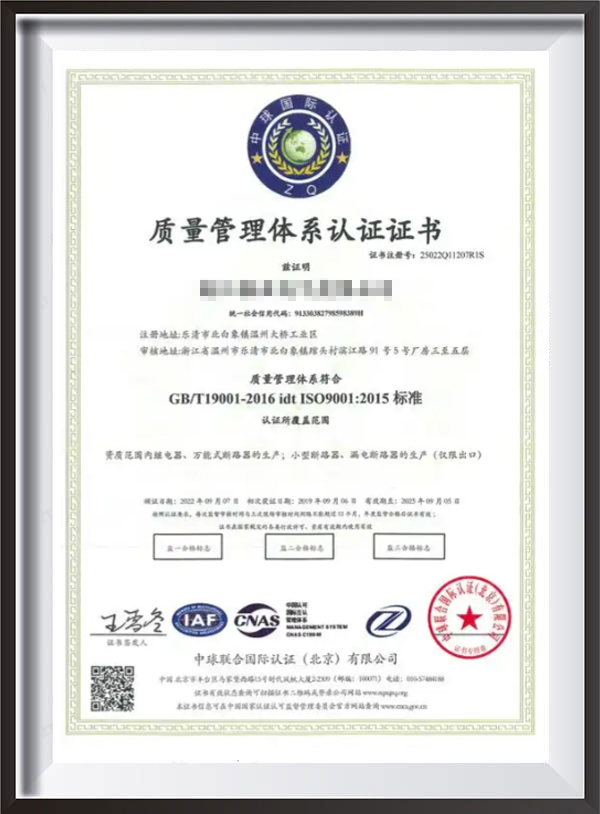
For round nuts, the acceptance conversation usually centres on thread gauging, outside diameter, nut height, slot geometry and surface finish. Where a project requires certification or specific inspection records, these are agreed before production so that the inspection plan matches the documentation package. Our manufacturing base holds ISO 9001 certification.
Production Capacity, Packaging and Delivery
Round nut production runs on the same manufacturing base as our other fastener lines, with 12 energy-efficient production lines including a fully automatic shell moulding line and four heat treatment lines, and annual capacity exceeding 20,000 tons. That scale supports both large-volume programmes and small to medium batch purchases.
Parts are supplied in bulk cartons, retail-ready kits, blister packs or custom boxes depending on the sales channel, and we consolidate mixed fastener requirements into one shipment where that simplifies receiving. The plant sits within a short drive of Shanghai and Ningbo ports, so sea freight is the standard route, with air freight available for urgent deliveries.
Information We Use to Configure Your Solution
A round nut quotation is only useful if it matches the assembly. The following inputs let us confirm the correct type, size, material and finish, and quote a producible part.
| Input | What It Determines |
|---|---|
| Drawing or sample | Geometry, tolerances and whether a standard type applies |
| Thread size, pitch and class | Mating shaft or bore thread and gauging method |
| Spanner or drive used | Slot count, slot width, knurl pattern |
| Material and environment | Steel grade and surface treatment selection |
| Locking method | Whether a tab washer or second nut is supplied with the order |
| Quantity and delivery target | Batch planning, packaging format and shipping route |
| Inspection and documentation needs | Inspection plan and records issued with the shipment |
Send the drawing or sample together with the thread specification and quantity, and we will confirm the applicable standard type or a drawing-based equivalent. Our engineering team supports customised development from drawings or samples, and we respond to working-day enquiries within 12 hours.
Frequently Asked Questions
Which round nut type should be used for bearing retention on a shaft?
DIN 981 HM type locknuts are the usual choice. They are slotted for a hook spanner and are normally paired with a tab lock washer that engages a shaft keyway to prevent rotation. Confirm the thread size, shaft keyway and the spanner you intend to use, and we will match the nut and washer as a set.
Can Better Fastener produce round nuts to our own drawing?
Yes. Customised production is our core business. We develop and manufacture from drawings or samples, covering non-standard outside diameters, slot patterns, shoulder dimensions, thread pitches and material grades that fall outside the standard range.
What materials and finishes are available?
Carbon steel, stainless steel and low-alloy steel are the standard material families. Zinc plating and blackening are the common finishes for industrial and precision machinery environments, with hot-dip galvanizing available where a heavier coating is required.
How are round nuts inspected before shipment?
Inspection is carried out after each process step, and finished parts undergo final inspection against customer requirements and the applicable standard. Our laboratory uses a spectrometer, coordinate measuring machine and X-ray flaw detector to verify chemical composition, mechanical properties, non-destructive condition and geometric dimensions.
What order quantities and packaging formats do you support?
Annual capacity exceeds 20,000 tons across 12 production lines, so we handle large-volume programmes and small to medium batches. Packaging can be bulk export cartons, retail kits, blister packs or custom boxes, and mixed fastener orders can be consolidated into one shipment.
How quickly will an enquiry be answered?
On working days we respond within 12 hours of receiving an enquiry. Including the drawing, thread specification, material, finish and quantity in the first message lets us return a usable configuration and quotation in that reply.





