


 English
 Español
 عربى
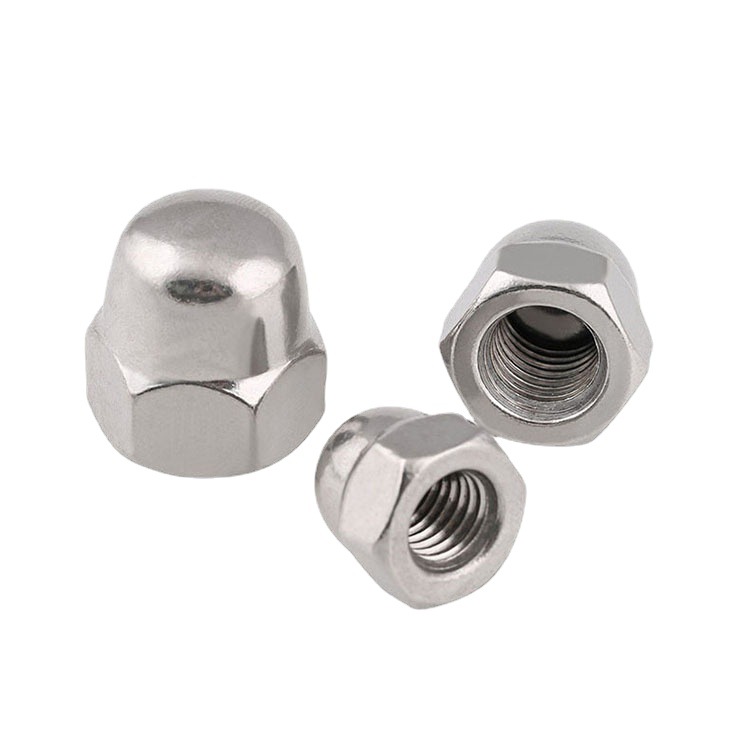


Better Fastener Industry Co., Ltd. is a China-based Acorn Nuts manufacturer supplying closed-dome cap nuts for visible, exposed and thread-protection fastening points. Our range covers heavy acorn nuts, assembly acorn nuts and non-metal insert acorn nuts in carbon steel, stainless steel and brass, with metric and imperial threads.
We produce to DIN 1587, JIS B 1183 and DIN 986 configurations and match the nut to the mating bolt, surface finish and torque requirement of each assembly. Typical projects include furniture hardware, sanitary fittings, outdoor equipment, decorative metalwork, rail components and general industrial machinery.
What Our Acorn Nut Range Covers
An acorn nut, also called a cap nut or dome nut, has a closed hemispherical top that encloses the protruding end of a bolt. The enclosed cavity shields the thread from dust, moisture and impact, removes the sharp exposed thread from reach, and gives visible fastening points a rounded finished appearance.
We supply three established acorn nut families. Each one solves a different combination of load, sealing and appearance requirements, so the correct choice depends on the joint rather than on the nut alone.
| Acorn Nut Type | Reference Standard | Construction | Typical Fit |
|---|---|---|---|
| Heavy acorn nut | DIN 1587 | One-piece all-metal dome, full hex body | Structural and machinery joints needing higher clamp load |
| Assembly acorn nut | JIS B 1183 | Dome cap assembled onto a hex nut body | Automotive, bicycle and equipment assemblies with decorative caps |
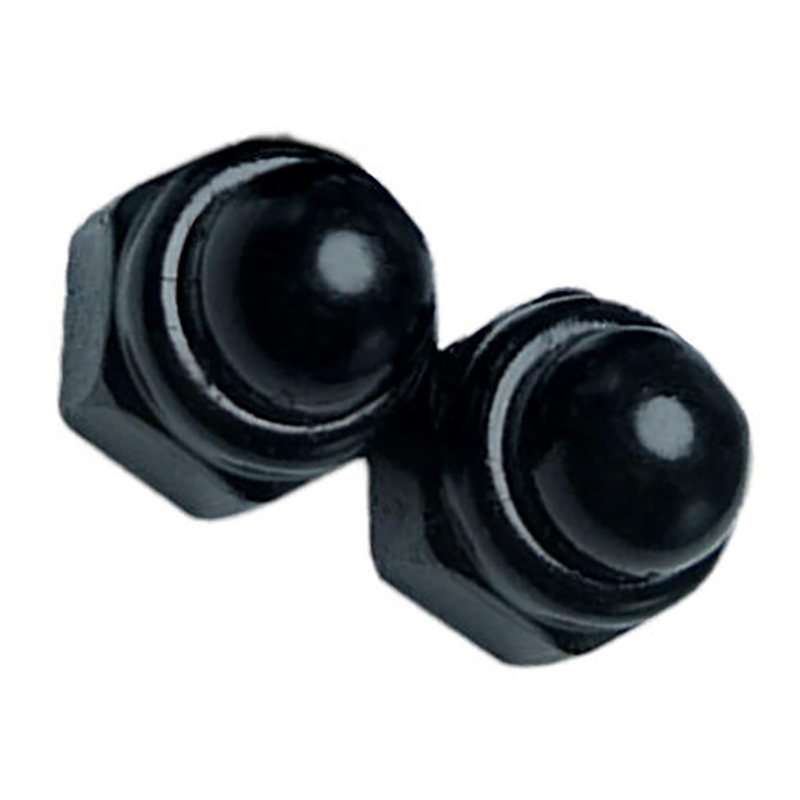
| Non-metal insert acorn nut | DIN 986 | Dome with nylon insert for prevailing torque | Vibration-prone joints where loosening resistance is required |
Materials and Surface Finishes
We produce acorn nuts in carbon steel, stainless steel and brass. Material selection follows the corrosion environment, the required mechanical properties and the appearance expectation of the finished assembly.
- Carbon steel — general industrial and furniture use, normally zinc plated for indoor service.
- Stainless steel — outdoor equipment, sanitary fittings and wet or mildly corrosive environments; available with polished finish.
- Brass — decorative metalwork and fittings where a warm, corrosion-resistant finish is wanted.
- Zinc plating — economical protection for carbon steel, in clear or coloured passivation.
- Chrome plating — bright decorative finish for consumer-facing fastening points.
Where Acorn Nuts Fit in an Assembly
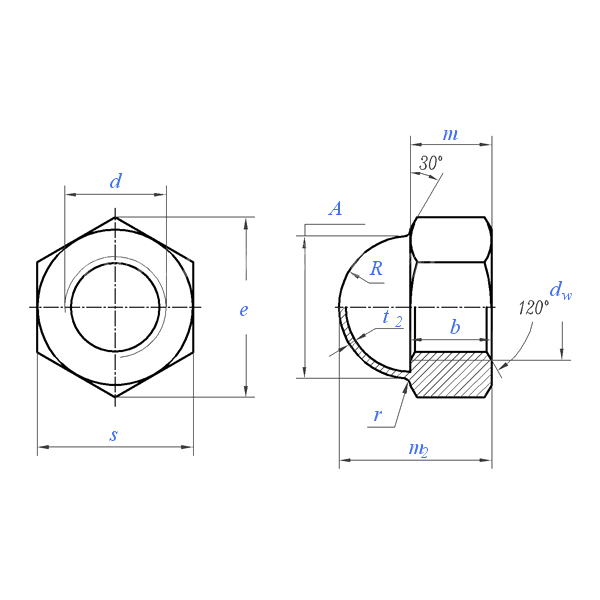
The dome cavity depth must be greater than the length of bolt thread protruding through the mating part. If the thread bottoms out inside the cap, the nut cannot seat and the joint will not reach its intended clamp load. We confirm the protrusion dimension against the selected nut height before production.
Acorn nuts are commonly paired with our Hexagon Head Bolts and Round Head Bolts (Carriage Bolt), where the rounded nut complements the bolt head. For assemblies that need a load-spreading face, we supply matching Washers in plain, spring and lock types.
Application Fit by Sector
- Furniture and building hardware — exposed joints on chairs, shelving and fittings where appearance matters.
- Sanitary and plumbing fittings — stainless or chrome-plated caps that resist moisture and stay clean.
- Outdoor and garden equipment — thread protection against weather and abrasion.
- Automotive and two-wheeler assemblies — decorative and protective caps on visible stud ends.
- Rail, construction and agricultural machinery — heavy acorn nuts on accessible joints where exposed threads are a snag or injury risk.
Critical Specifications We Confirm
Acorn nut performance is defined by thread fit, dome geometry and material grade rather than by appearance alone. Our quotation and inspection sheets are built around the following variables.
- Thread size and pitch — metric coarse or fine, or inch series, matched to the mating bolt.
- Thread tolerance class — 6H for metric internal threads, or the class stated on the drawing.
- Width across flats and across corners — governs wrench access and socket clearance.
- Nut height and dome height — must clear the bolt protrusion.
- Property class or material grade — carbon steel class, stainless steel grade or brass alloy.
- Surface finish — plating thickness, passivation or polished appearance.
- Prevailing torque — for DIN 986 insert types where loosening resistance is specified.
Production, Quality Control and Acceptance
Acorn nuts are formed, tapped, domed and finished on dedicated nut machinery. Because the dome closes the thread cavity, thread gauging and dome clearance checks are performed as separate operations rather than in a single pass.
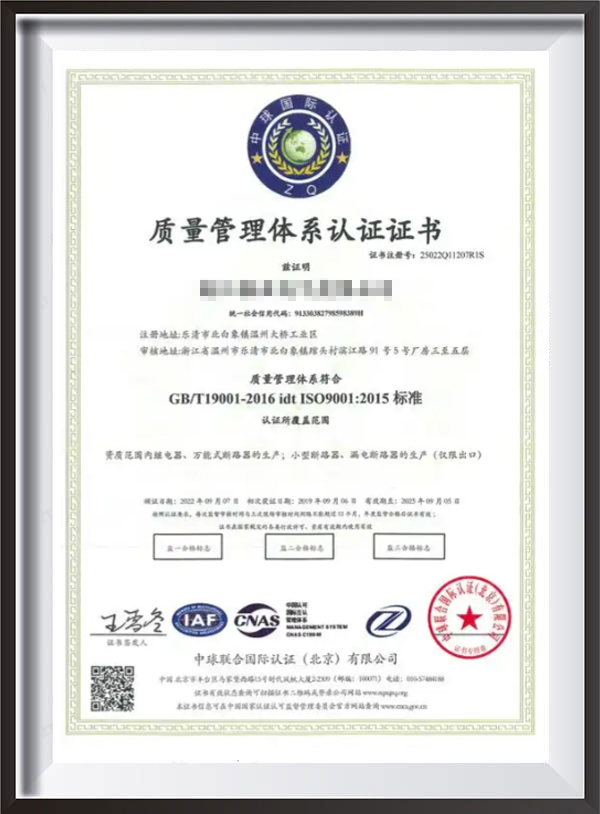
Our quality process covers incoming raw material, in-process inspection after each operation and final inspection of finished goods. An in-house laboratory with spectrometer, coordinate measuring machine and non-destructive testing equipment supports chemical composition, mechanical property, geometric dimension and flaw checks. Our operations are managed under ISO 9001.
- Thread gauging with go/no-go plug gauges.
- Dimensional checks on across-flats, across-corners, height and dome depth.
- Material verification by spectrometer against the specified grade.
- Coating thickness and appearance checks on plated and polished parts.
- Sampling or 100% final inspection according to the agreed inspection plan.
Customization and Non-Standard Configurations
Custom production is a core part of our business. We develop acorn nuts from customer drawings or physical samples, including non-standard dome heights, special across-flats dimensions, left-hand threads, extended caps and specific material or finish combinations.
For projects that combine several fastener types, we consolidate acorn nuts with bolts, washers and other components into one specification-led supply program, which reduces the number of separate shipments and inspection documents a project has to manage.
Packaging, Documentation and Delivery
Acorn nuts are supplied in bulk cartons, retail-ready kits, blister packs or custom boxes depending on the sales channel. Export cartons are labelled to the agreed part number, size, material, finish and quantity so that incoming inspection can be matched to the packing list without opening every box.
Our facility is located within a short drive of Shanghai and Ningbo ports, which supports sea freight as the main shipping mode, with air freight available for urgent requirements. Trade terms are confirmed at quotation.
Information We Use to Configure Your Solution
A precise acorn nut proposal depends on the joint, not only on the nut. The following inputs let us select the correct standard, material and finish and quote without repeated clarification rounds.
| Project Input | Why We Need It |
|---|---|
| Thread size, pitch and series | Matches the nut to the mating bolt and defines the tap size |
| Bolt protrusion length | Confirms the dome cavity clears the exposed thread |
| Material and property class | Sets strength, corrosion resistance and cost level |
| Surface finish requirement | Determines plating, passivation or polishing route |
| Drawing or reference sample | Defines non-standard geometry and inspection criteria |
| Annual quantity and batch pattern | Plans production runs and packaging format |
| Inspection and documentation needs | Aligns the inspection plan and test reports with acceptance |
| Destination port and trade term | Shapes packing, labelling and shipping arrangement |
Frequently Asked Questions
What is the difference between a heavy acorn nut and an assembly acorn nut?
A heavy acorn nut such as DIN 1587 is a one-piece all-metal dome with a full hex body, so it carries higher clamp load and suits structural joints. A JIS B 1183 assembly acorn nut uses a dome cap assembled onto a hex nut body, which is lighter and commonly used on automotive, bicycle and equipment assemblies where appearance and thread protection matter more than load.
Can you supply acorn nuts with a nylon insert for vibration resistance?
Yes. We produce DIN 986 non-metal insert acorn nuts, where a nylon insert in the dome provides prevailing torque against loosening. These are used on joints exposed to vibration where a standard dome nut would not hold. The required prevailing torque and temperature range are confirmed at quotation.
Which materials and finishes are available?
Carbon steel, stainless steel and brass, in metric and imperial thread sizes. Carbon steel is normally zinc plated, with coloured passivation available; stainless steel can be supplied with a polished finish; chrome plating is used where a bright decorative appearance is required on visible fastening points.
How do I confirm the correct dome height for my bolt?
Measure the length of thread that protrudes beyond the mating surface after the joint is tightened, then compare it with the internal dome depth of the selected nut. The dome must clear the thread with margin so the nut seats fully. Send us the bolt size and protrusion dimension and we will confirm the suitable nut height.
Do you produce non-standard acorn nuts from drawings or samples?
We develop custom acorn nuts from customer drawings or physical samples, including special dome heights, non-standard across-flats dimensions, left-hand threads and specific material or finish combinations. Our engineering team reviews the drawing and confirms the production route before quoting.
What inspection documentation is provided with a shipment?
Inspection is carried out after each production process and on finished goods, with material verification by spectrometer, dimensional checks by coordinate measuring machine and non-destructive testing where required. The inspection plan and the documents issued with each batch are agreed during quotation so they match your acceptance procedure.





