


 English
 Español
 عربى
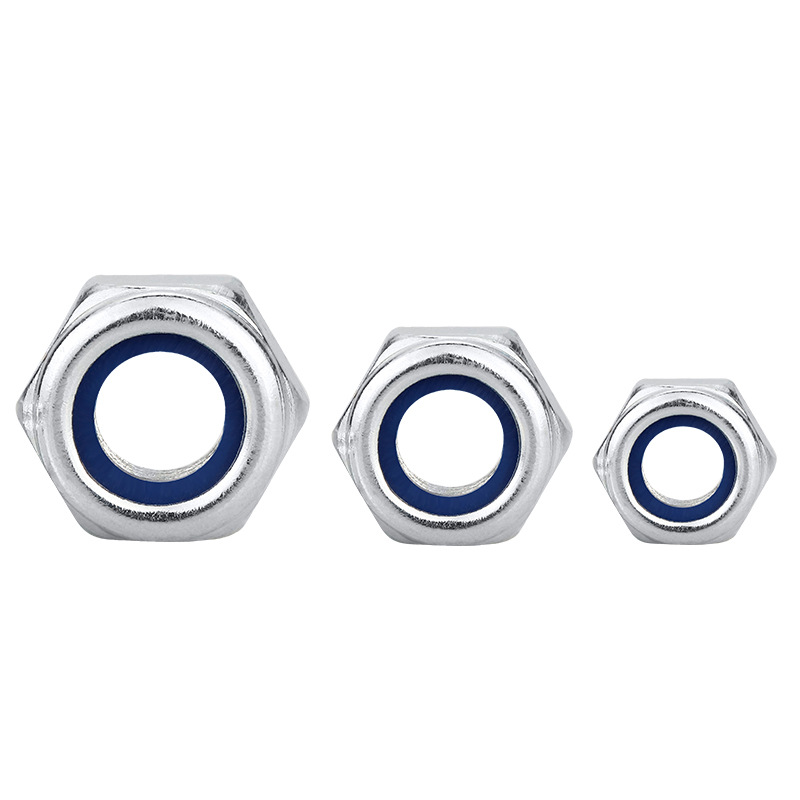

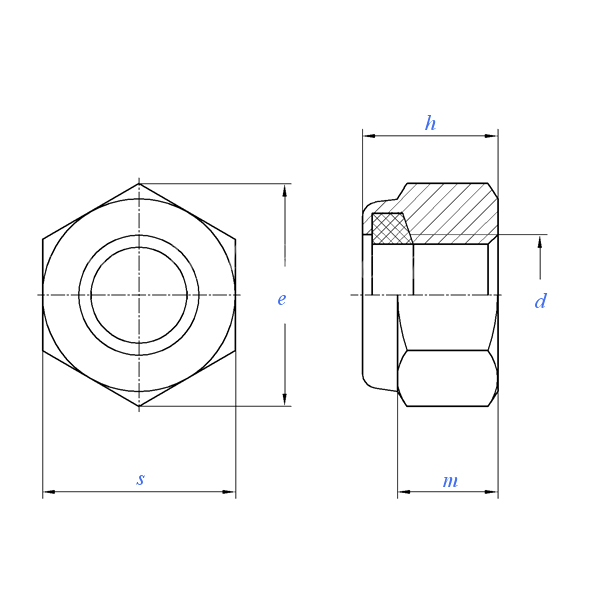
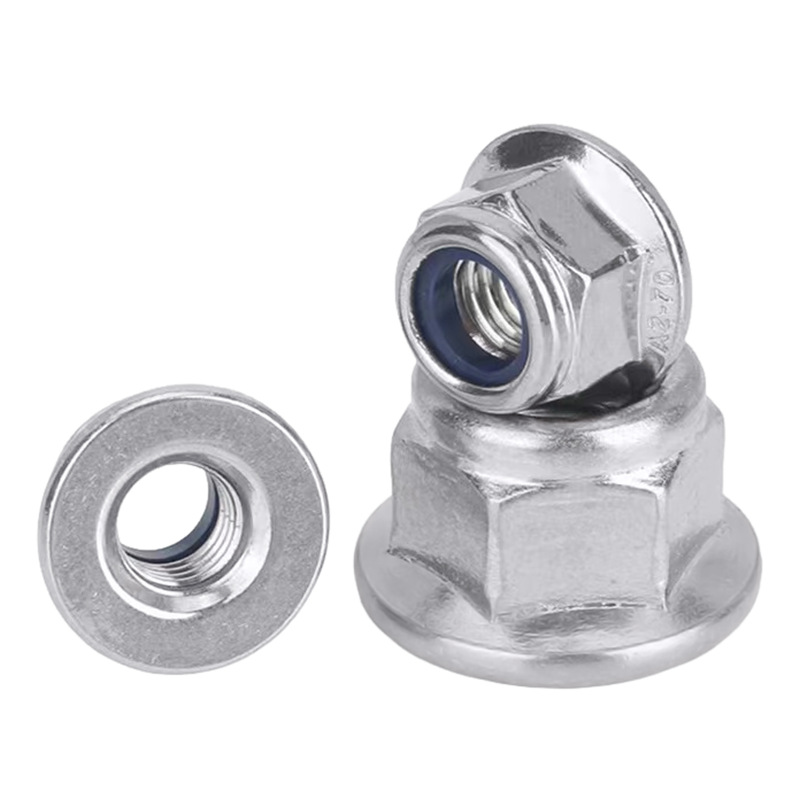
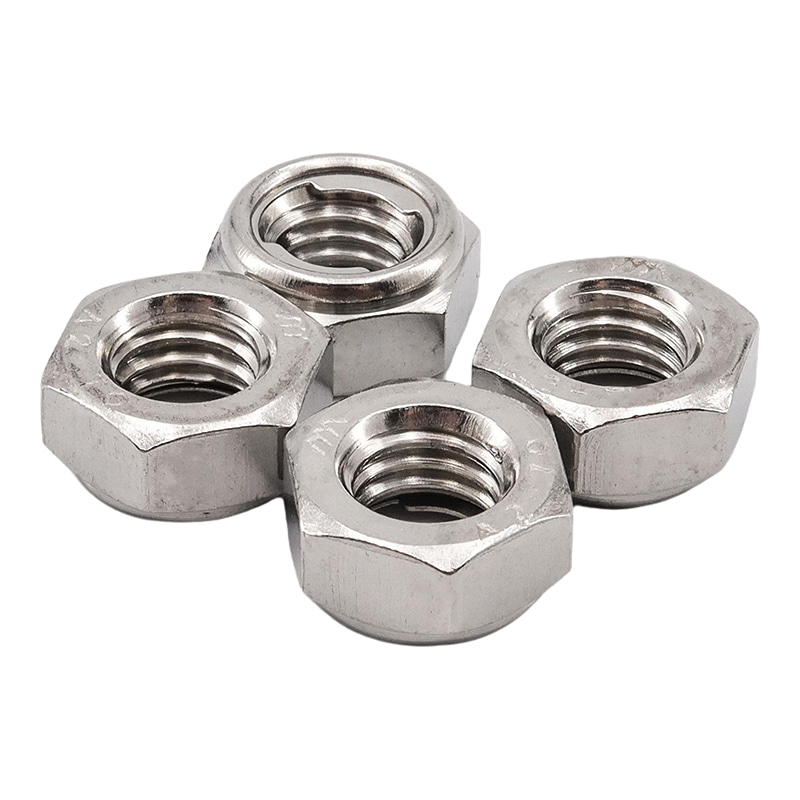
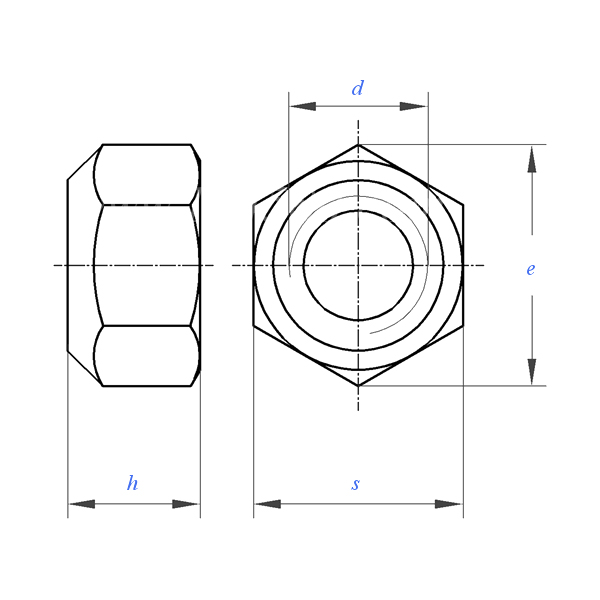
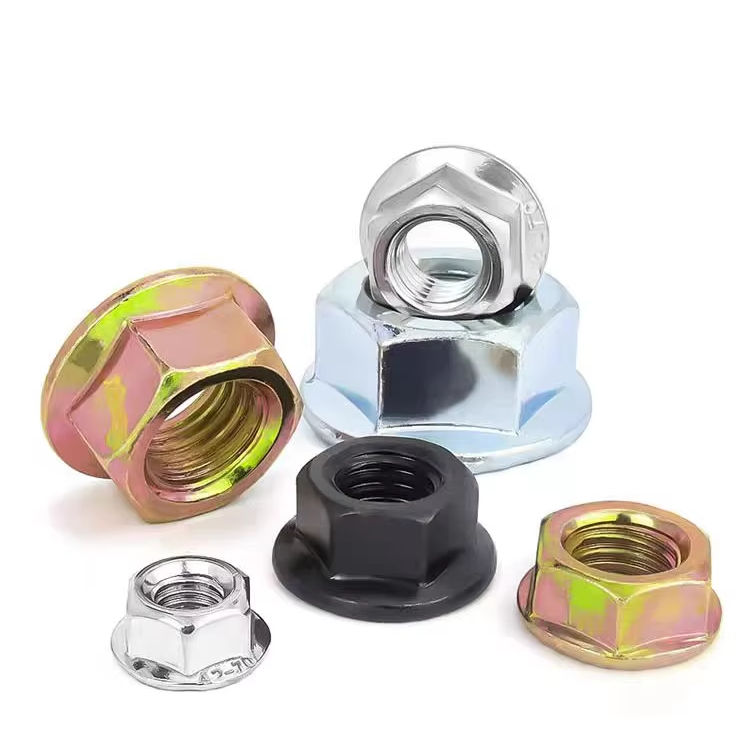
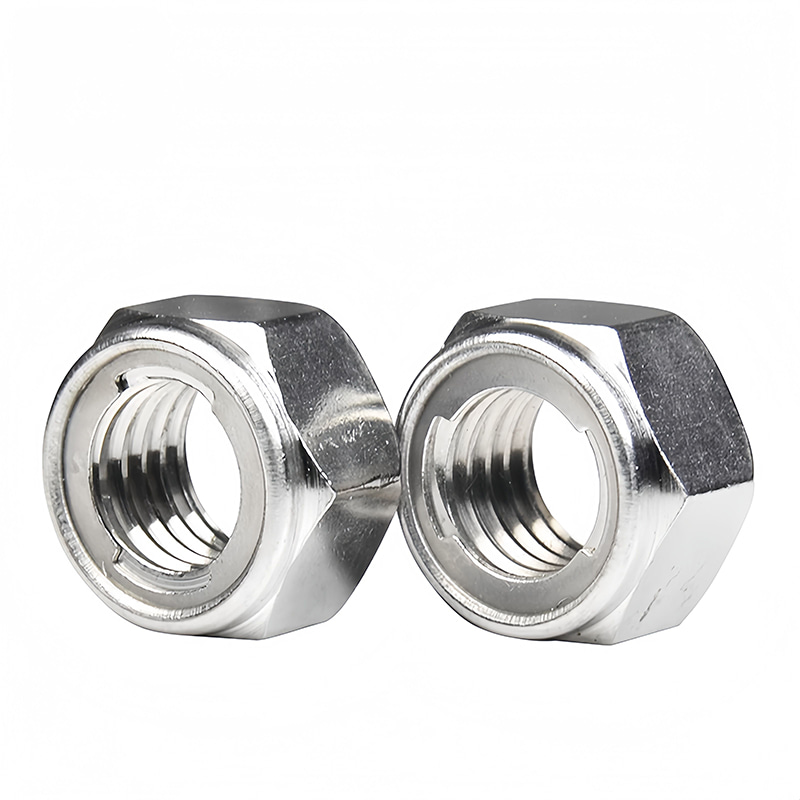
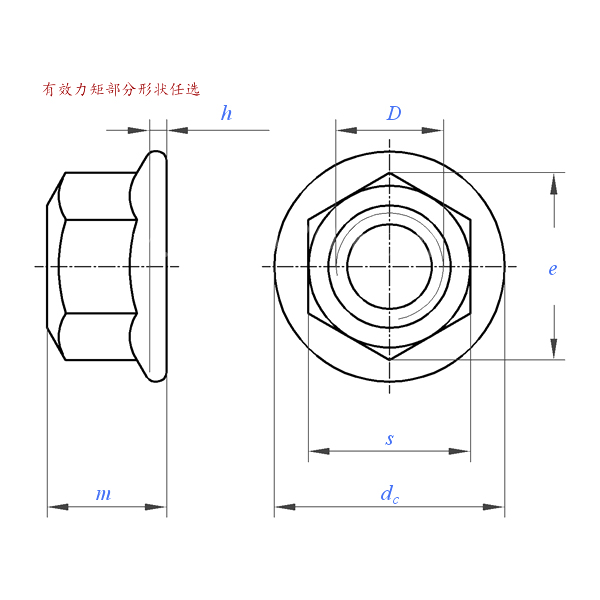

Better Fastener Industry Co., Ltd. is a Lock Nuts manufacturer in China producing prevailing-torque nuts in carbon steel and stainless steel. Our range covers nylon insert lock nuts and all-metal lock nuts to DIN, ISO and ASME dimensional and performance standards, supplied for automotive, rotating machinery, structural and outdoor equipment joints where vibration would otherwise relax a standard nut.
We combine nut production with in-house bolt, washer and screw manufacturing, so a single project can be consolidated under one specification-led supply program. Custom development from drawings or samples is part of our core business.
What Lock Nuts Do in a Joint
A standard nut holds preload only through thread friction. Under vibration, shock or thermal cycling, that friction is progressively lost and clamp load drops. Lock nuts introduce a secondary prevailing torque that resists rotation after the nut is seated, keeping the joint tight without relying on adhesives or additional locking hardware.
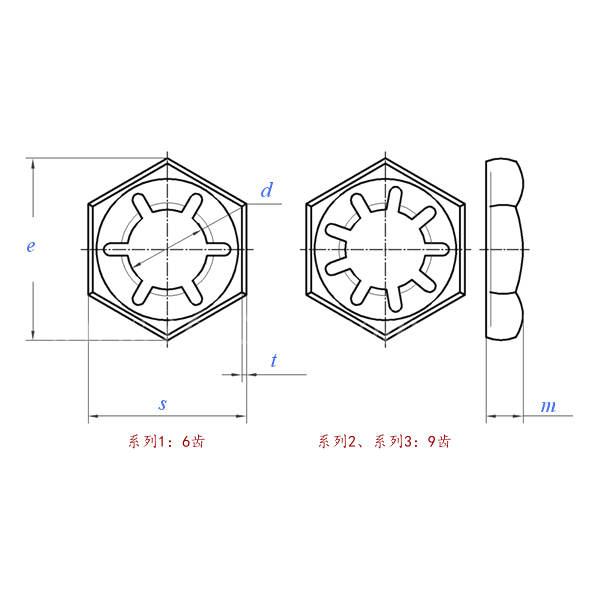
Two locking principles cover most applications. The nylon insert type presses a polyamide collar into the nut crown; the bolt thread deforms the collar on engagement, generating rotational friction that survives repeated installation and removal without damaging the mating thread. The all-metal type uses a mechanically deformed thread section, so it retains locking performance at temperatures where a nylon collar would soften or degrade.
Our Lock Nut Range
We produce lock nuts against the following standards. Each entry is a stocked or repeatable production item, and dimensions, thread pitch and property class follow the referenced standard unless a drawing specifies otherwise.
| Standard | Type | Locking Principle | Typical Fit |
|---|---|---|---|
| DIN EN ISO 7040:2013 Type 1 Class 10 | Hex nylon insert | Polyamide collar | General machinery, automotive |
| ASME B18.16.6 (NE):2017 | NE nylon insert | Polyamide collar | Inch-series equipment, North America |
| ASME B18.16.6:2017 | Hex flange nylon insert | Polyamide collar, flange bearing | Sheet metal, chassis, brackets |
| DIN 6925:1987 | Hex nylon insert, metric | Polyamide collar | European machinery builds |
| ASME B18.16M (hex/metal):2004 | Metric all-metal | Deformed thread section | High-temperature and heavy-duty joints |
| DIN 6927:1983 | All-metal hex flange | Deformed thread, flange bearing | Exhaust, engine and hot sections |
| DIN 980 (V):1987 | Type V all-metal | Deformed thread section | Elevated-temperature assemblies |
| DIN 7967:1970 | All-metal lock nut | Deformed thread section | Rail, machinery, general engineering |
Nylon Insert or All-Metal: Matching the Type to the Joint
Type selection is usually decided by temperature, reusability and bearing surface. Nylon insert nuts are the default for general machinery because they are reusable, kind to the mating thread and available in fine and coarse pitch. All-metal nuts take over where service temperature exceeds the working limit of the polyamide collar, or where the joint is expected to be tightened repeatedly under load.
- Nylon insert, hex: general bolted joints, automotive engines and accessories, pumps, fans and conveyors.
- Nylon insert, hex flange: brackets, panels and thin-gauge assemblies where a wider bearing area distributes load without a separate washer.
- All-metal, hex or flange: exhaust systems, turbo and manifold fastening, high-speed rotating equipment, and outdoor structural connections exposed to thermal cycling.
- Stainless grades: outdoor structures, marine-adjacent installations and process equipment where corrosion resistance governs material choice.
Materials, Finishes and Thread Configuration
Lock nuts are produced in carbon steel and stainless steel, with property class and grade selected against the strength of the mating bolt. Where a joint pairs a high-strength bolt with a lower-class nut, the nut becomes the limiting element, so we confirm the class pairing before production.
- Carbon steel: property classes matched to the bolt class, with zinc plating as the standard corrosion protection.
- Stainless steel: selected for corrosive environments, outdoor exposure and wash-down areas.
- Post-treatment: hot-dip galvanizing and blackening are available for components that require heavier or application-specific surface protection.
- Thread: coarse and fine metric pitch, plus inch-series threads to the referenced ASME standards.
- Dimensional control: across-flats, nut height, thread gauge and prevailing-torque characteristics are checked against the drawing or standard.
Where Our Lock Nuts Are Specified
Our fasteners serve rail transportation, automotive manufacturing, construction machinery, mining and agricultural equipment, shipbuilding, petrochemicals, building hardware and power accessories. Lock nuts appear across all of these because vibration is present in nearly every one of them.
In automotive and new-energy vehicle assemblies, lock nuts secure powertrain, chassis and bracket connections where joint relaxation would create noise, leakage or warranty exposure. In rail and heavy equipment, they hold components that see continuous impact loading. In outdoor structural work, stainless lock nuts resist both vibration and weather. For complete joint design, our Bolts range and Washers range are produced to the same standards, which keeps thread fit and bearing surfaces consistent across a bill of materials.
Quality Control and Acceptance
We operate total quality management across the production process, with inspection after each operation and final inspection of finished goods against customer requirements and international standards. Our laboratory is equipped with a spectrometer, coordinate measuring machine and X-ray flaw detector, covering chemical composition, mechanical properties, non-destructive testing and geometric dimensions.
- Chemical composition verification on incoming and in-process material.
- Mechanical property testing to confirm the specified property class.
- Thread gauging and dimensional inspection of across-flats, height and flange geometry.
- Prevailing-torque verification on the locking feature.
- Surface and plating inspection, including coating thickness where specified.
Inspection records and test reports are prepared to the agreed acceptance plan, so receiving inspection at your plant can be matched to the documents shipped with the order.
Custom Lock Nuts and Project Support
Customized production is our core business. We develop and manufacture lock nuts from customer drawings or physical samples, including non-standard dimensions, special flange profiles, specific materials and application-specific finishes. Our engineering team reviews the drawing, confirms the thread and locking feature, and returns a production-ready specification before tooling or batch release.
Because we also manufacture Hexagon Nuts and other nut types, a mixed nut schedule can be produced and packed together, reducing the number of suppliers and shipments a project has to manage. Packaging is configured to the sales channel: bulk export cartons, retail kits, blister packs and custom boxes, with logistics options matched to the delivery requirement.
Information We Use to Configure Your Solution
To quote accurately and avoid a second revision, we work from the following project inputs. Where a drawing exists, it takes precedence; where it does not, we build the specification from these parameters.
| Project Input | What It Determines |
|---|---|
| Standard or drawing number | Dimensional envelope, thread and locking feature |
| Thread size and pitch | Nut size, mating bolt compatibility |
| Property class or material grade | Strength pairing with the bolt, corrosion resistance |
| Service temperature | Nylon insert or all-metal locking principle |
| Bearing surface and access | Hex or flange style, washer requirement |
| Finish and coating specification | Zinc plating, hot-dip galvanizing, blackening or stainless |
| Annual volume and call-off pattern | Batch planning, packaging and delivery schedule |
| Inspection and documentation requirements | Acceptance plan and test reports issued with the order |
Frequently Asked Questions
Can a lock nut be reused after removal?
Nylon insert lock nuts can be reinstalled several times, though prevailing torque decreases with each cycle as the collar takes a new thread impression. All-metal lock nuts also lose some prevailing torque after repeated use. For joints that are opened frequently, we recommend specifying the locking type with the reuse expectation stated so the correct design is supplied.
Which lock nut should be used at high temperature?
Above the working limit of the polyamide collar, the all-metal type is the correct choice. DIN 6927, DIN 980 (V) and ASME B18.16M all-metal lock nuts use a deformed thread section rather than a polymer insert, so locking performance is retained in exhaust, engine and other hot assemblies.
Do you produce lock nuts to both metric and inch standards?
Yes. Our range includes metric items to DIN EN ISO 7040, DIN 6925, DIN 6927, DIN 980 (V) and DIN 7967, and inch-series items to ASME B18.16.6 and ASME B18.16M. This allows a single project with mixed standards to be supplied from one production program.
Can you manufacture a non-standard lock nut from our drawing?
Customized production is our core business. We develop lock nuts from drawings or samples, including special dimensions, flange profiles, materials and finishes. Send the drawing with thread size, property class, material, finish and annual volume, and our engineering team will confirm the production specification.
What documentation is supplied with a lock nut order?
Documentation follows the agreed acceptance plan and can include material and dimensional inspection records and mechanical property test reports. Our laboratory performs chemical composition, mechanical property, non-destructive and geometric dimension testing, and finished products are finally inspected against customer requirements and international standards.
How are lock nuts packed and shipped?
Packaging is configured to the destination channel: bulk export cartons, retail kits, blister packs and custom boxes. Our location is within a short drive of Shanghai and Ningbo ports, so sea freight is the standard mode, with air freight arranged through Ningbo or Shanghai airports when a delivery is urgent.





