


 English
 Español
 عربى
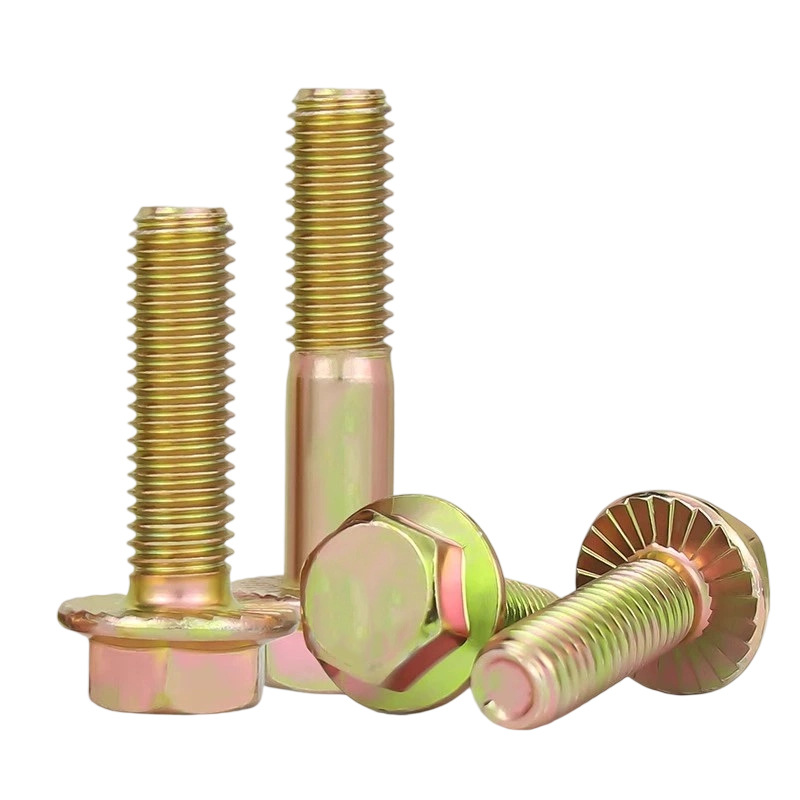

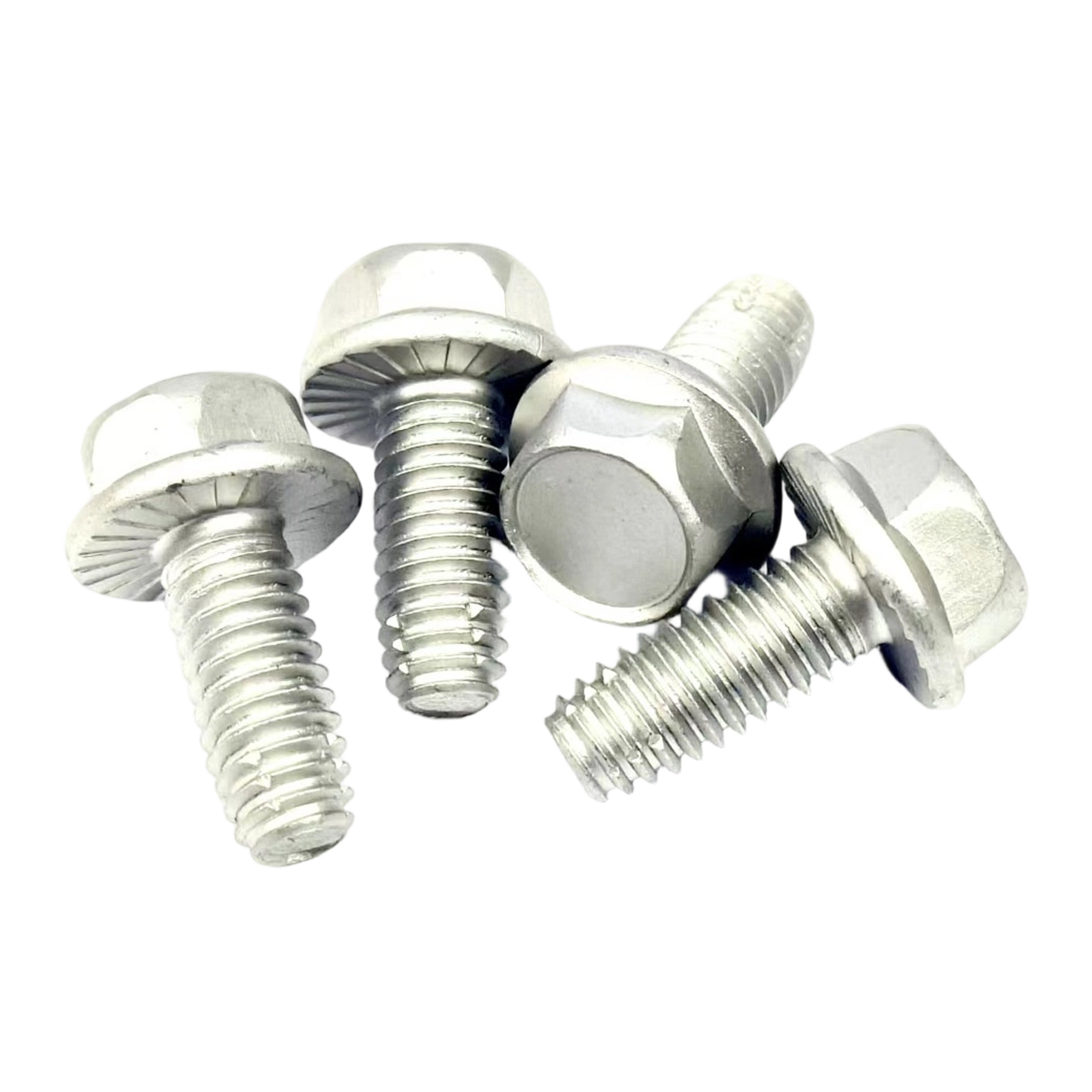
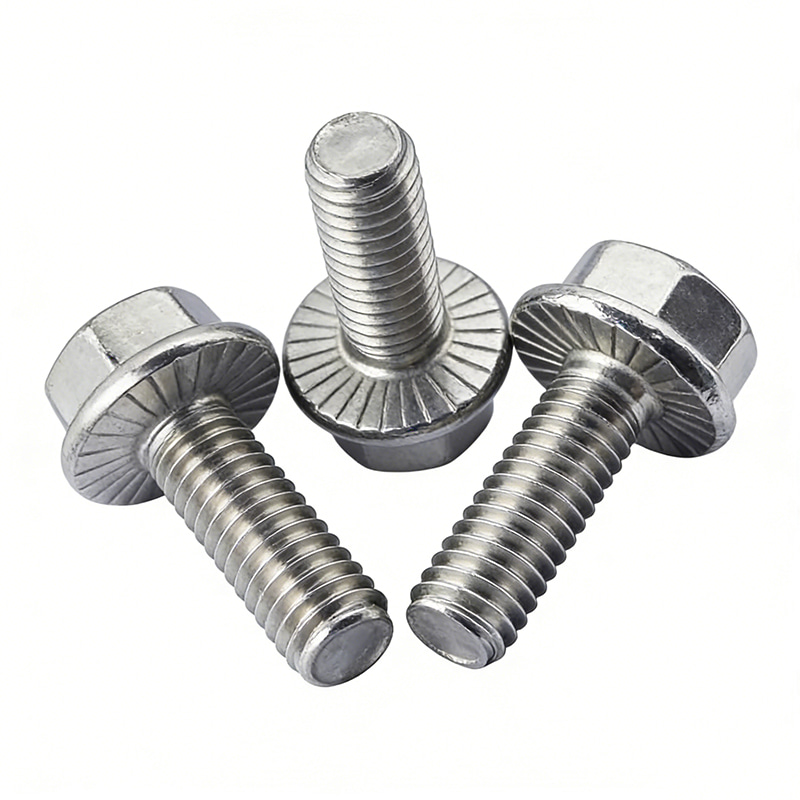
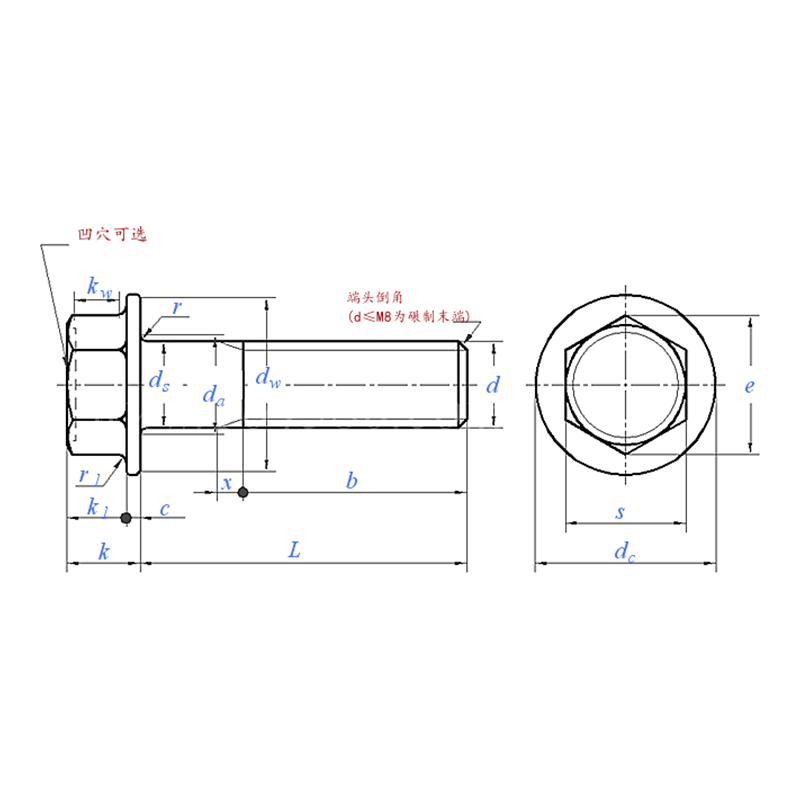

Better Fastener Industry Co., Ltd. is a Hexagon Flange Bolts manufacturer in China, producing flanged hex head bolts to DIN 6921, ASME B18.2.1, ASME B18.2.3.9M and JIS B 1189 for automotive, agricultural machinery, power equipment and general industrial assembly. The integrated flange replaces a separate washer, spreads clamping load over a wider bearing area and adds frictional resistance against rotational loosening in vibrating joints.
What We Supply in This Range
Our Hexagon Flange Bolts range covers serrated and plain-flange hex head bolts in coarse and fine metric threads as well as inch series, produced in carbon steel, low-alloy steel and stainless steel. Standard strength grades run from 8.8 to 10.9, with property class and material selected against the joint load, corrosion exposure and tightening method.
Because the flange is formed as part of the head rather than added as a loose component, the fastener arrives as one part number, one torque value and one line item. That simplification matters on high-volume assembly lines where washer feeding, orientation and missing-washer defects are real production risks.
Standards We Manufacture To
| Standard | Designation | Typical Application Fit |
|---|---|---|
| DIN 6921:1983 | Hex head flange bolt, metric coarse thread | General machinery, brackets, frames, European equipment platforms |
| ASME B18.2.1 (T8):2012 | Inch series hex flange screw | North American machinery, aftermarket assemblies, inch-threaded joints |
| ASME B18.2.3.9M:2001 | Metric hex head flange heavy bolt | Heavy structures, chassis and suspension joints requiring larger bearing area |
| JIS B 1189:2014 | Coarse thread grade A hex flange bolt | Japanese-spec equipment, motorcycle frames, small engine assemblies |
| JIS B 1189 (Type 1):2014 | Type 1 hex head flange with washer bolt | Joints where a captive washer face is specified |
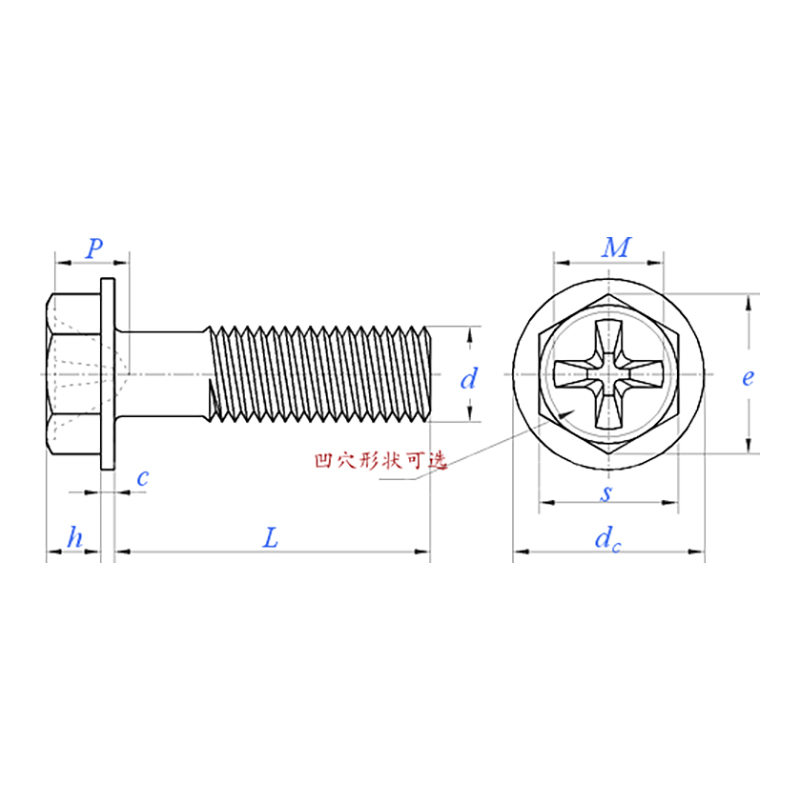
| ASME B18.6.3 (T33-I):2013 | Hex flange Phillips screw | Light-gauge panels, covers and trim where a cross recess drive is used |
Thread form, pitch, flange diameter, head height and drive style are confirmed against the drawing or the nominated standard before production.
Where Flanged Hex Bolts Fit Best
The flange performs two jobs at once: it lowers contact pressure on the clamped material and it increases the friction radius under the head. On thin sheet, aluminium housings or painted steel, that wider bearing area reduces the risk of dimpling and coating damage compared with a plain hex head.
- Automotive and new energy vehicle assemblies — brackets, battery trays, underbody and chassis joints where vibration and corrosion protection both matter.
- Agricultural and construction machinery — engine mounts, implement frames and hydraulic component fixing exposed to shock and weather.
- Power equipment and electrical cabinets — earthing and structural joints where consistent clamp load supports low-resistance contact.
- Motorcycle and small engine frames — high-vibration joints where a serrated flange adds grip.
- General industrial fabrication — replacing hex bolt plus washer combinations to cut part count on the line.
Where a joint needs a flat, low-profile bearing face instead of a flange, our Hexagon Head Bolts and the wider Bolts range cover those configurations, and matching Hexagon Flange Nuts complete the flanged joint.
Materials, Coatings and Corrosion Selection
Carbon and Low-Alloy Steel
Grades 8.8 to 10.9 for structural and machinery joints. Quenched and tempered to the specified property class, with hardness and tensile results recorded per lot.
Stainless Steel
For wet, coastal and chemically exposed joints where a plated finish is not appropriate. Grade selection follows the service environment and the mating material.
Surface Treatment
Zinc plating, hot-dip galvanizing and dacromet-type coatings for outdoor, underbody and high-humidity service. Coating thickness and friction behaviour are agreed before quoting.
Configuration Options
- Flange type — plain flange or serrated flange, depending on whether the joint relies on friction locking or on protecting the mating surface.
- Thread — full thread or part thread, coarse or fine pitch, metric or inch series.
- Drive — external hex for standard sockets and torque wrenches, or cross recess for light-gauge panel work.
- Length and diameter — produced to the drawing envelope, including non-standard lengths and heavy flange variants.
- Marking — grade and manufacturer marking applied as required for traceability.
Quality Control and Acceptance
Better Fastener operates an in-house laboratory with a spectrometer, coordinate measuring machine and X-ray flaw detector, supported by inspection after each production process and final inspection of finished parts. Chemical composition, mechanical properties, non-destructive testing and geometric dimensions are monitored across the batch.
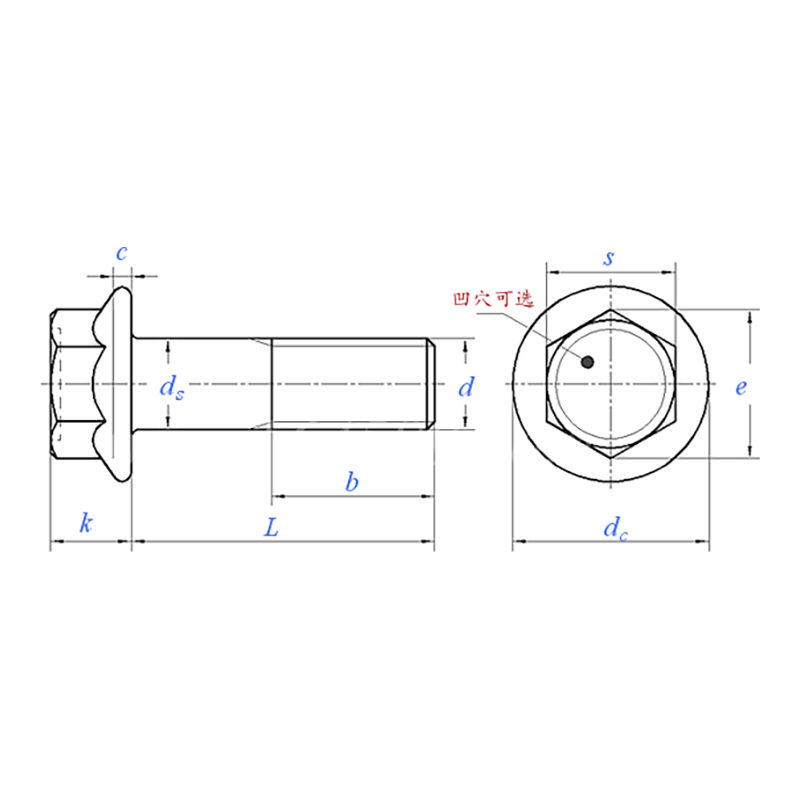
For flange bolts specifically, the dimensions that decide joint behaviour are head height, across-flats, flange diameter, flange thickness, thread pitch diameter and runout between the flange face and the thread axis. These are the values we measure and record, and they are the values we agree with you at the drawing stage.
Production Capacity and Delivery Scope
Our facilities run 12 energy-efficient production lines, including one fully automatic shell moulding line and four heat treatment lines, with annual capacity exceeding 20,000 tons. That scale supports large repeat programmes while remaining responsive to small and medium batch purchases.
The site sits within a short drive of Shanghai and Ningbo ports, so sea freight is the standard export mode, with air freight arranged through Ningbo or Shanghai airports for urgent requirements. Packaging is configured to the sales channel — bulk export cartons, retail kits, blister packs or custom boxes — and we can consolidate bolts, nuts and washers into one shipment programme.
Information We Use to Configure Your Solution
| Input | What It Determines |
|---|---|
| Drawing, sample or nominated standard | Head geometry, flange diameter, thread form, tolerances |
| Material and property class | Strength grade, heat treatment route, test regime |
| Service environment | Stainless grade or coating system, salt-spray expectation |
| Assembly method and torque target | Drive type, flange face finish, lubrication or coating friction |
| Annual volume and call-off pattern | Batch planning, tooling, packaging and shipping schedule |
| Inspection and documentation requirements | Test certificates, dimensional reports, marking and traceability |
Custom Development and Project Support
Customized production is our core business. Our engineering team develops flange bolts from customer drawings or physical samples, covering non-standard head dimensions, special flange diameters, alternative thread lengths and specific coating systems. Where a joint is being redesigned, we work from the functional requirement — clamp load, bearing area, corrosion class — rather than only from a part number.
As a Custom Fastener Factory, we also consolidate related items such as flange nuts, washers and studs into a single specification-led supply programme, which reduces the number of approvals and shipments a project has to manage.
Frequently Asked Questions
Do you manufacture hexagon flange bolts to both metric and inch standards?
Yes. We produce to DIN 6921, ASME B18.2.1 (T8), ASME B18.2.3.9M and JIS B 1189, covering metric coarse and fine threads as well as inch series. The nominated standard and thread series are confirmed on the drawing before production begins.
Which strength grades are available?
Carbon and low-alloy steel flange bolts are supplied in property classes from 8.8 to 10.9, with stainless steel options for corrosion-driven applications. Grade selection follows the joint load and the tightening method specified for the assembly.
Can you supply serrated flange versions for vibration-prone joints?
Yes. Serrated flange bolts are produced where the joint relies on additional frictional resistance against rotational loosening, such as engine mounts, frames and vibrating machinery. Plain flange versions are used where the mating surface must be protected from indentation.
What coating should be specified for outdoor or underbody service?
Zinc plating suits general indoor and light outdoor exposure, hot-dip galvanizing is used for heavier outdoor structures, and dacromet-type coatings are applied to automotive underbody and high-humidity environments. The coating system is agreed together with the required corrosion performance.
How do you handle inspection documentation for a flange bolt programme?
Inspection is carried out after each process, with 100% final inspection of finished products against customer requirements and international standards. Chemical composition, mechanical properties, non-destructive testing and dimensional results are recorded, and the documentation set is defined with you at the quotation stage.
Can flange bolts be packed for retail rather than bulk assembly use?
Yes. We configure packaging to the sales channel, including retail kits, blister packs, custom boxes and bulk export cartons, and can combine flange bolts with matching nuts and washers in the same packing programme.





