


 English
 Español
 عربى
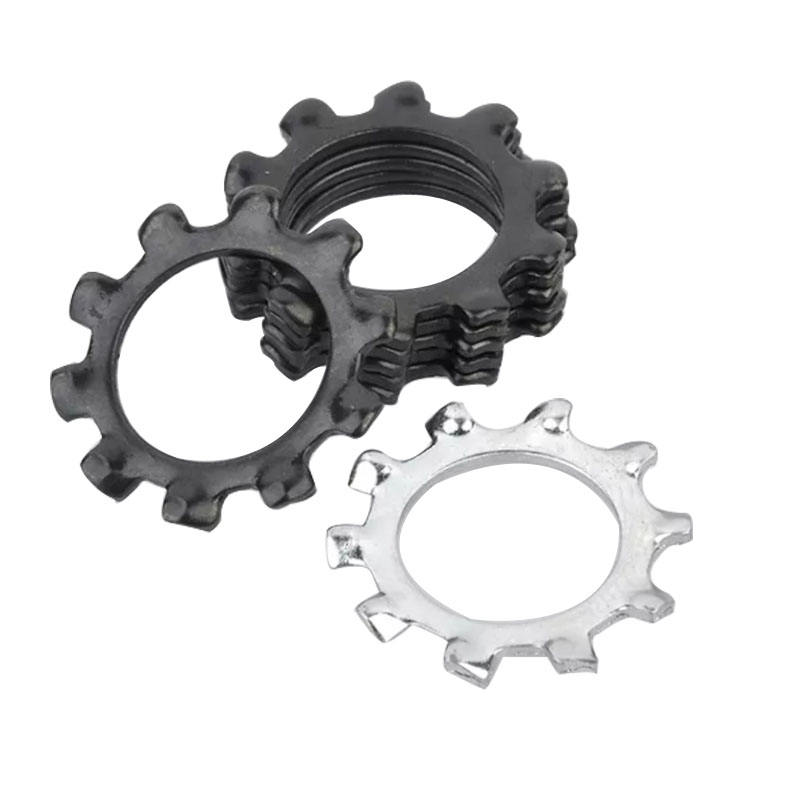

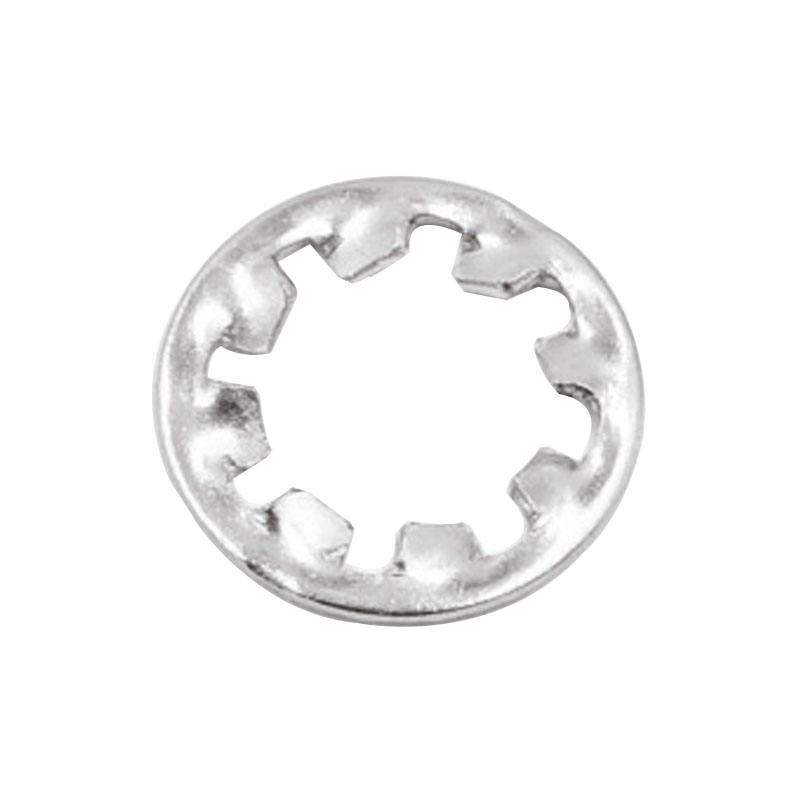
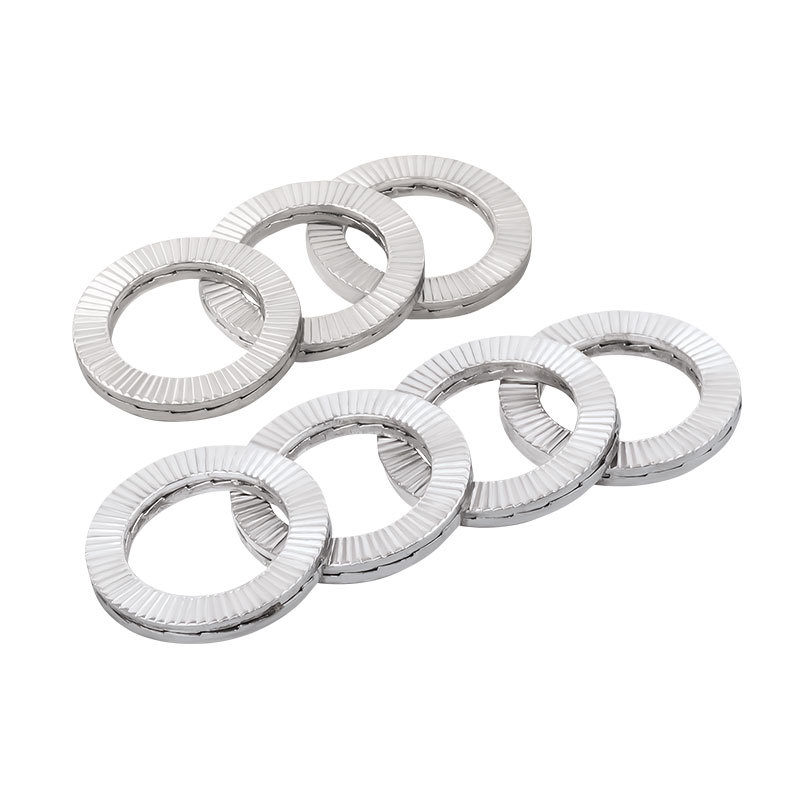

Better Fastener Industry Co., Ltd. is a Lock Washers manufacturer based in Hangzhou, China, producing toothed and serrated washers in hardened spring steel and stainless steel. Our lock washer range covers external tooth, internal tooth and combination serration patterns to DIN 6797 and DIN 25201, alongside the broader Washers family we have manufactured since 2001.
These parts are specified where a bolted joint must resist rotational loosening under dynamic load: precision instruments, bearing assemblies, high-speed motor mounts, electronic enclosures and similar assemblies where micro-movement would disturb calibration or position.
How a Toothed Lock Washer Works in the Joint
A lock washer is a hardened disc whose teeth or serrations bite into the mating surfaces when the fastener is tightened. The tooth tips penetrate the nut face and the workpiece surface, creating mechanical interference that resists rotation rather than relying on friction alone. This is a different mechanism from the axial preload a Spring Washers range provides, and the two are often specified together on the same joint.
- External tooth: teeth point outward and grip around the outside of the nut or bolt head face; suited to small-diameter screws and shallow counterbores.
- Internal tooth: teeth point inward toward the shank; used where the washer must sit inside a recess or where the outer edge must stay clean.
- Combination: internal and external serrations on one disc for higher resistance on larger fasteners.
- Hardened condition: serrations stay hard enough to penetrate standard zinc or painted coatings without flattening, so grip is retained through the service life of the joint.
Our Lock Washer Range and Where Each Type Fits
We produce the standard tooth geometries below and hold tooling for the common metric sizes. Where a drawing or sample defines a non-standard tooth count, diameter or material, our engineering team develops the part accordingly.
| Type | Standard | Typical Material | Application Fit |
|---|---|---|---|
| External tooth washer | DIN 6797 (A):1988 | Hardened spring steel, zinc plated | Small screws, instrument panels, sheet-metal assemblies |
| Internal tooth J washer | DIN 6797 (J):1988 | Hardened spring steel, stainless steel | Recessed seats, bearing covers, calibrated equipment |
| Lock washer, heavy duty | DIN 25201 | Hardened steel, stainless steel | Rail, machinery and structural joints with high vibration |
| Serrated lock washer | DIN 6798 series | Hardened spring steel, stainless steel | Motor mounts, gearbox covers, electronic chassis |
Adjacent families in our programme include Plain Washers for load distribution and Retaining Rings for axial location, so a single purchase order can cover the full washer stack on an assembly.
Materials, Coatings and Corrosion Choices
Material selection follows the joint environment and the hardness needed for the teeth to bite. We produce lock washers in carbon spring steel with zinc plating for general industrial use, and in stainless steel grades where moisture, wash-down or outdoor exposure is present. Post-treatment processes available in our plants include zinc plating, hot-dip galvanizing and blackening.
- Carbon spring steel, zinc plated: standard choice for indoor machinery, automotive and appliance assemblies.
- Stainless steel: for corrosive environments, food-adjacent equipment and marine-adjacent installations.
- Blackened finish: for appearance-critical or lightly protected assemblies.
- Hardness control: the tooth must be harder than the mating surface coating; we confirm this against the specified workpiece material.
Critical Specifications We Work To
Lock washer performance is governed by a small set of dimensions and properties. When we quote, these are the parameters we confirm with the customer drawing or standard reference.
- Nominal size and matching bolt or screw diameter
- Inside diameter, outside diameter and thickness
- Tooth count, tooth height and serration pattern
- Material grade and hardness range
- Surface finish and coating thickness
- Applicable standard, revision year and dimensional tolerance class
Quality Control and Acceptance
Our plants operate total quality management with inspection after each production process and 100% final inspection of finished products against customer requirements and international standards. The in-house laboratory is equipped with a spectrometer, CMM, X-ray flaw detector and additional testing equipment, covering chemical composition, mechanical properties, non-destructive testing and geometric dimensions.
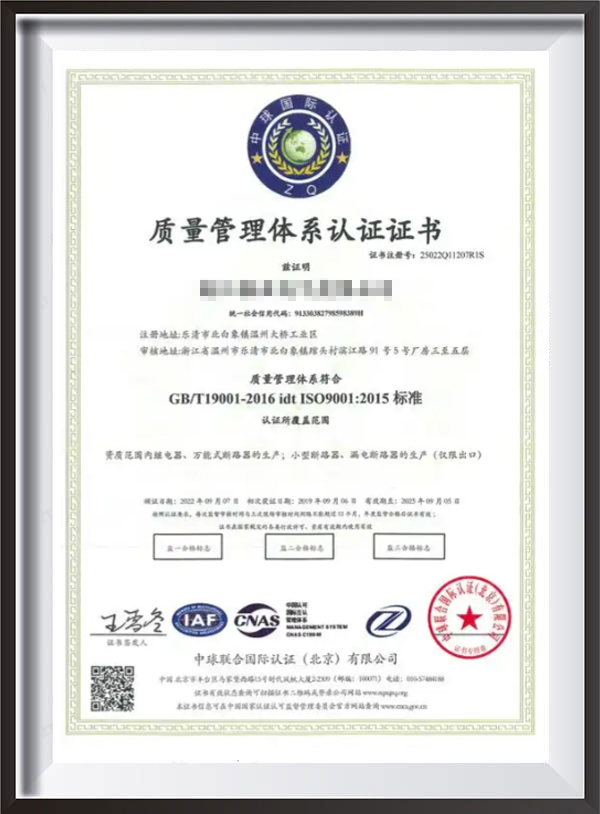
For lock washers specifically, the acceptance points that matter are tooth integrity after forming, hardness consistency across the batch, plating adhesion and dimensional conformity to the drawing. We can supply inspection records and material certificates with the shipment where the project requires them, and our quality system is certified to ISO 9001.
Custom Development from Drawing or Sample
Customized production is our core business. Our R&D and engineering team develops lock washers from customer drawings or physical samples, including non-standard diameters, tooth geometries, material grades and coatings. Because we integrate multiple in-house manufacturing facilities for washers, nuts and bolts, the supply chain from raw material to finished part stays under our control.
Annual output exceeds 20,000 tons across 12 modern production lines, including one fully automatic shell molding line and four heat treatment lines, which supports both large-volume programmes and small and medium batch purchases.
Packaging, Logistics and Delivery Scope
Lock washers ship in bulk cartons, retail blister packs, custom boxes or export cartons depending on the sales channel. Our location within roughly a two-hour drive of Shanghai and Ningbo ports supports sea freight as the main mode, with air freight available for urgent deliveries.
We export to more than 30 countries and regions, with North America and Australia among our principal high-end markets. Trade terms such as FOB and CIF are confirmed at quotation stage.
Information We Use to Configure Your Solution
To return an accurate lock washer proposal, we work from the following project inputs. Where a detail is not yet fixed, our engineers can propose a standard-compliant starting point.
| Input | What It Determines |
|---|---|
| Fastener size and thread | Inside diameter and tooth pattern |
| Workpiece material and surface coating | Hardness range and tooth height |
| Service environment | Material grade and plating choice |
| Assembly method and torque | Thickness and serration geometry |
| Annual volume and batch pattern | Tooling route and delivery schedule |
| Packaging and labelling requirement | Carton, kit or retail pack configuration |
Frequently Asked Questions
What is the difference between an external and an internal tooth lock washer?
External tooth washers grip around the outside of the nut or bolt head face and suit small screws and shallow seats. Internal tooth washers point their teeth toward the shank and are used where the washer sits in a recess or the outer edge must remain clean. Both are covered by DIN 6797.
Can you produce lock washers to a customer drawing rather than a standard?
Yes. Customized production is our core business, and we develop lock washers from drawings or samples, including non-standard diameters, tooth counts, material grades and coatings.
Which materials do you offer for corrosive environments?
We produce lock washers in hardened carbon spring steel with zinc plating for general use and in stainless steel grades for moisture, wash-down or outdoor exposure. Hot-dip galvanizing and blackening are also available as post-treatments.
How is quality verified before shipment?
Inspection is carried out after each production process, and 100% of finished products undergo final inspection against customer requirements and international standards. Our laboratory covers chemical composition, mechanical properties, non-destructive testing and geometric dimensions.
What is your production capacity and delivery reach?
Annual output exceeds 20,000 tons across 12 production lines. We are within roughly a two-hour drive of Shanghai and Ningbo ports, and our products are exported to more than 30 countries and regions.
Can lock washers be consolidated with other fasteners in one order?
Yes. Alongside lock washers we manufacture nuts, bolts, screws and other washer types, so a project can be supplied as a single consolidated programme with consistent packaging and delivery.





