

 English
  Español
  عربى
عربى 
What is a Bolt?
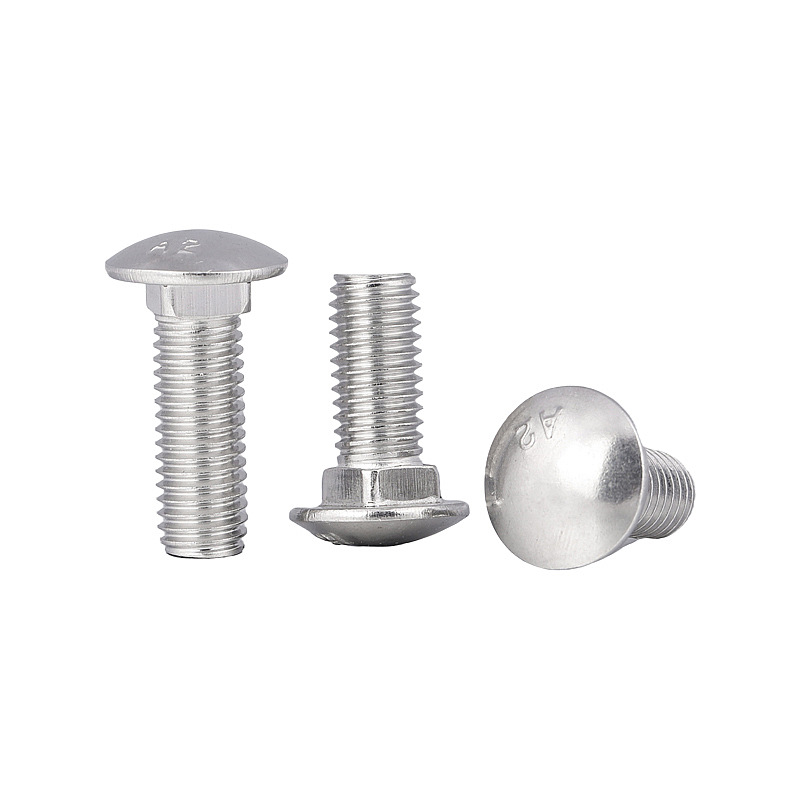
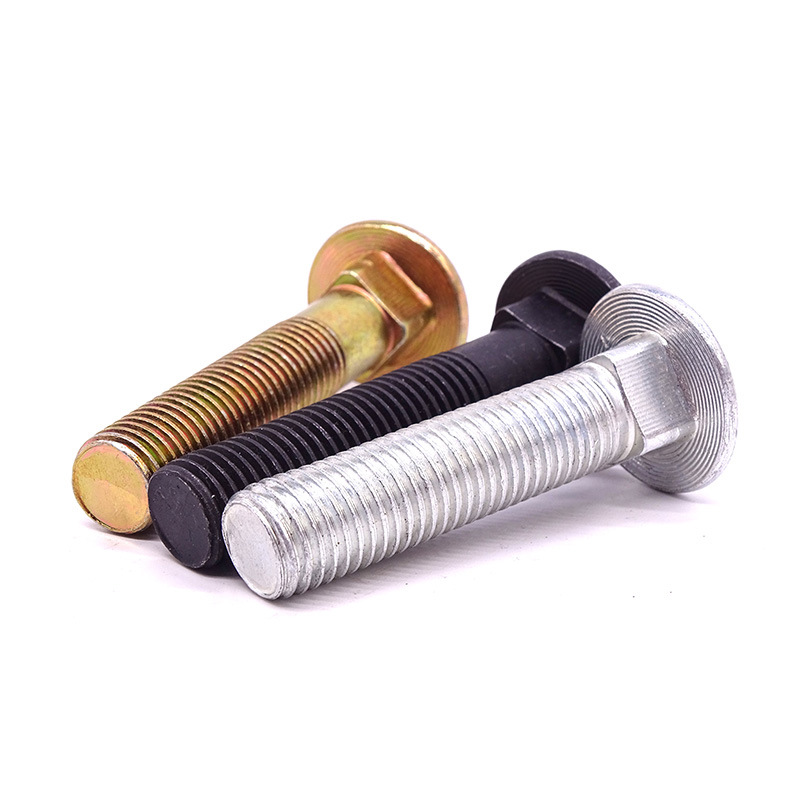
Simply put, a bolt is a cylindrical fastener with external threads. It works with a matching nut or is screwed directly into a threaded hole of the mating part to firmly hold two or more components together.
To put it intuitively, think of it as a "metal nail." However, unlike a nail that is driven in with a hammer, a bolt is secured through rotational force that generates axial clamping pressure. This means it is removable and reusable.
Anatomy and Key Specifications
A standard bolt consists of two main parts:
-
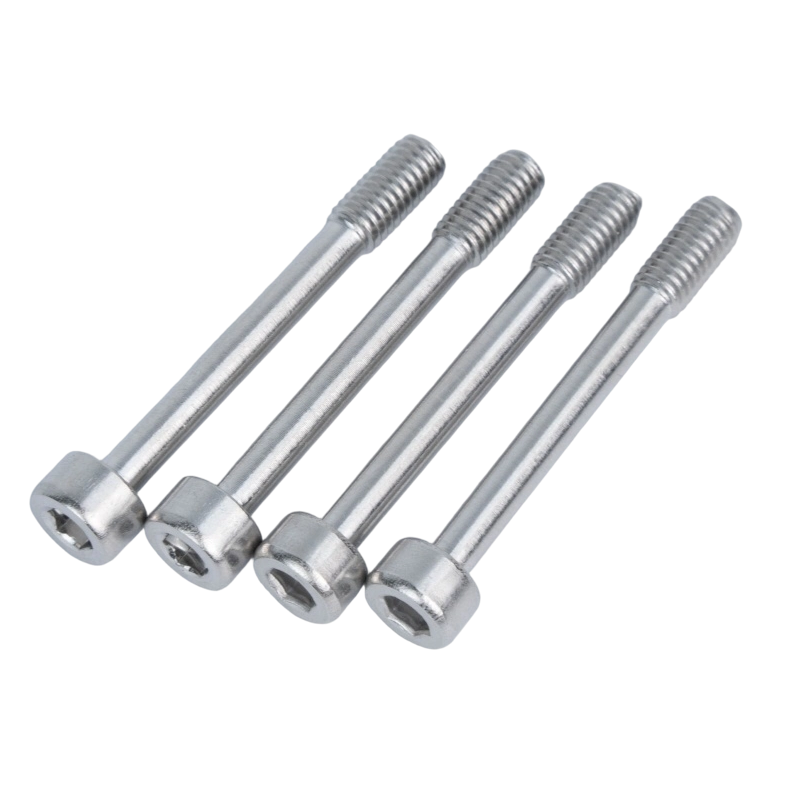
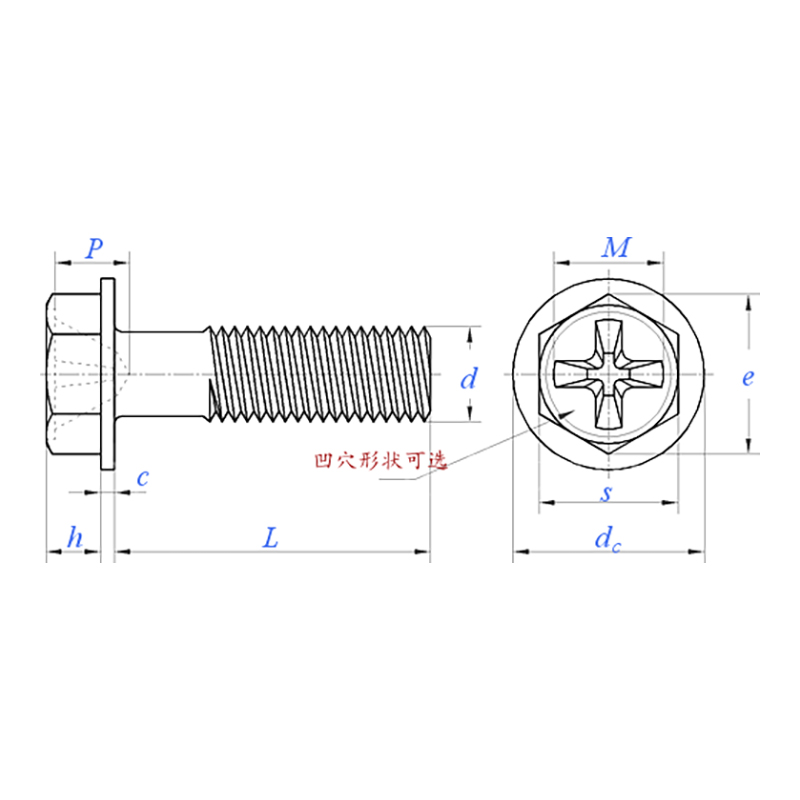
Head: Usually hexagonal (the most common), round, or square. This is where tools like wrenches apply torque.
-
Shank: Features continuous helical ridges (the threads), which are the key to screwing and locking.
Three core specifications define a bolt:
-
Diameter: The thickness of the threaded portion (e.g., M8 indicates a nominal diameter of 8mm).
-
Length: The measurement from under the head to the end of the shank.
-
Thread Pitch: The distance between adjacent thread crests (available in coarse and fine variants).
Bolt vs. Screw vs. Stud
In everyday conversation, these terms are often used interchangeably, but they have distinct meanings in engineering:
-
Bolt: Typically has no pointed tip and is intended to be used with a nut or inserted into a pre-tapped threaded hole. Examples: bicycle wheel axles, steel structure connections in construction.
-
Screw: Generally has a pointed or self-tapping tip and can be driven directly into soft materials like wood or plastic without a nut (by forming its own mating threads). Example: the screws used to fasten a computer case side panel.
-
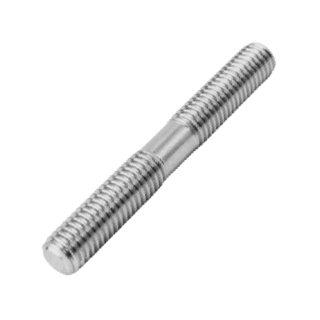
Stud: Has threads on both ends with a smooth shank in between. One end is screwed into a deep hole, while the other end is secured with a nut. Example: cylinder head fasteners in automobile engines.
Why Are Bolts So Important?
Bolts are the "joints" of the industrial world. Their core value lies in detachability and high-strength connection. Without bolts, many large-scale modern engineering projects—such as bridges, skyscrapers, and wind turbines—would be impossible to manufacture and maintain using modular construction methods.
Their precision is reflected in performance grades. Carbon steel bolts usually have numbers stamped on the head, such as Grade 8.8, 10.9, or 12.9. The number before the decimal indicates tensile strength, and the number after indicates the yield-to-tensile ratio. Higher grades mean greater strength—for example, Grade 12.9 is commonly used in aerospace and heavy machinery.
Common Examples in Daily Life
-
Lug nuts/bolts: Tightened with a wrench to secure a wheel to a vehicle hub.
-
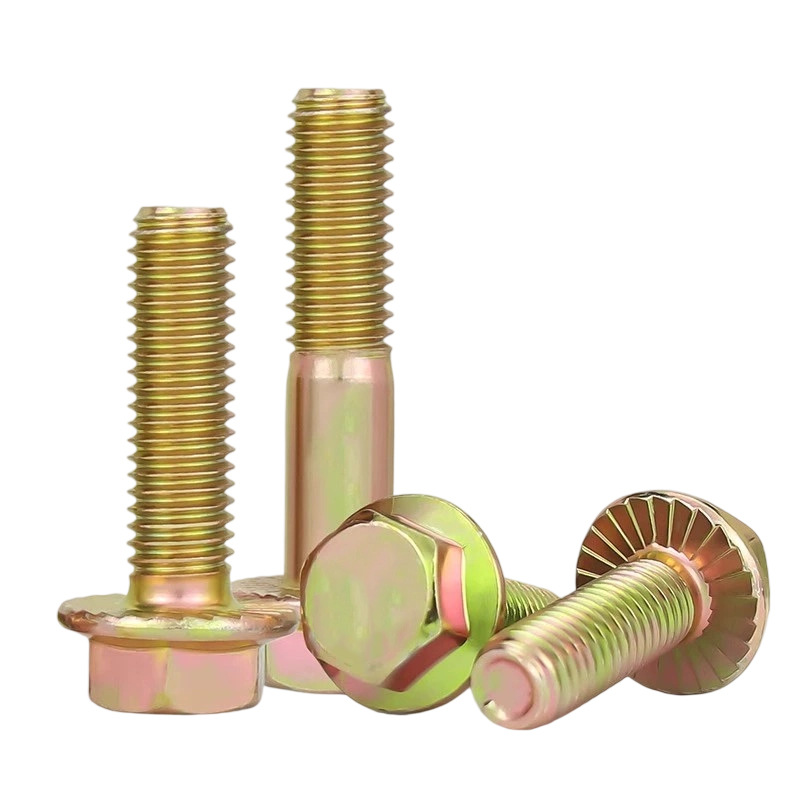
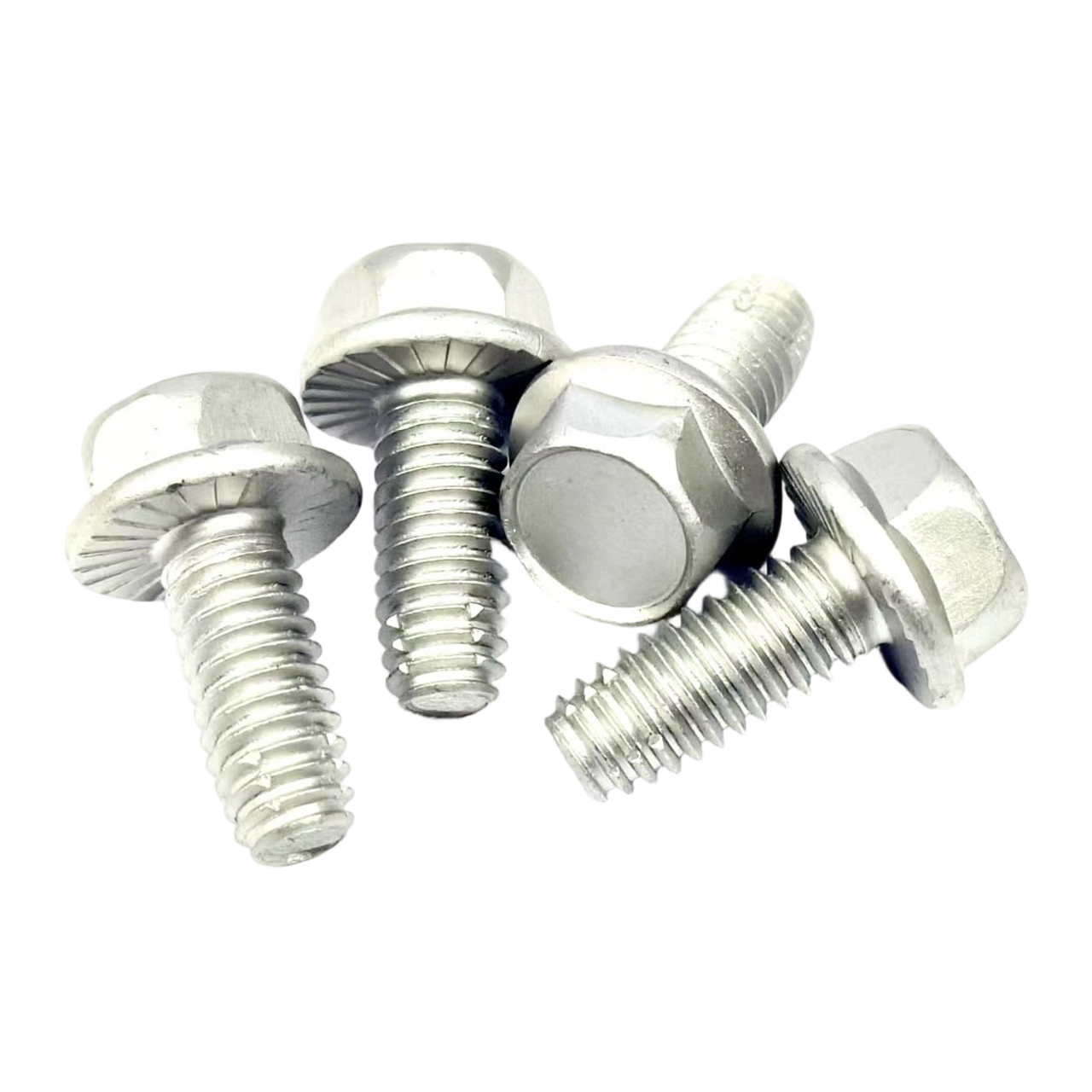
Flange bolts: Equipped with an integrated washer, used for connecting water or gas pipeline joints.
-
Anchor bolts: Embedded in concrete to secure the bases of heavy equipment.
OUR PRODUCTS
Related Products
CONTACT DETAILS
-
 Address:Room 1901-4, Building 1, Eastern Chuangzhi Mansion, Baiyang Street, Qiantang District, Hangzhou City, Zhejiang Province, China
-
 phone:+86-0571 85382212
-
 E-Mail:export@betterfastener.com
-
 Whatsapp:+86 15372362589
QUICK LINK
PRODUCTS
QR CODE
Copyright © 2026 Better Fastener Industry Co., Ltd. All Rights Reserved.



