


 English
  Español
  عربى
عربى 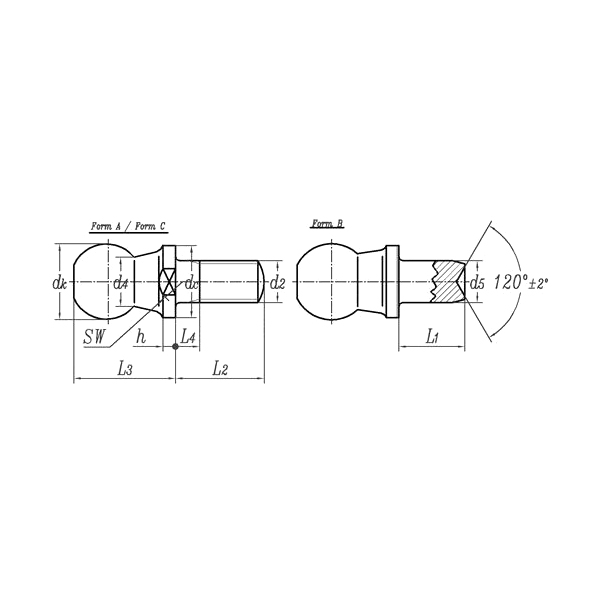


Fastening Pins Manufactured by Better Fastener
Better Fastener Industry Co., Ltd. is a China-based Fastening Pins manufacturer and a comprehensive fastener enterprise producing pins, bolts, nuts, washers and screws for machinery builders, rail and vehicle suppliers, and distributors. Pins carry no thread, so joint behaviour is governed by shank diameter control, point and chamfer geometry, hardness and the fit between pin and hole rather than by thread class.
Our pin programme covers alignment and retention hardware used where a compact, precise, repeatedly serviceable connection is required:
- Cylindrical dowel pins and hardened ground dowels to DIN 7 and ASME B18.8.2
- Taper pins to DIN 1 and ASME B18.8.2, self-locking in a matched reamed hole
- Coiled spring dowel pins to DIN 7343 and grooved pins to DIN 1469
- Cotter pins to DIN 94 and ASME/ANSI B18.8.1, plus clevis and headed pins
- Parallel keys to DIN 6885-1 (A) and ASME/ANSI B18.25.3M
Our Fastening Pin Range and Where Each Type Fits
Each family in the range answers a different assembly requirement: permanent alignment, a driven friction joint, elastic retention, positive locking or torque transmission. The table below maps our supplied pin types to their standard references and typical duty.
| Pin type | Standard reference | Joint behaviour | Typical application fit |
|---|---|---|---|
| Cylindrical dowel pin | DIN 7, ASME B18.8.2 | Press, transition or clearance fit in a reamed hole; transmits shear | Housing and cover alignment, die sets, fixture plates |
| Taper pin | DIN 1, ASME B18.8.2 | Self-locking friction joint when driven into a matched taper | Hinges, levers, hubs, light power transmission, reworkable joints |
| Coiled spring dowel pin | DIN 7343 | Radial compression grips the hole wall; reusable | Pivot joints, linkages, assemblies with relaxed hole tolerance |
| Grooved pin | DIN 1469 | Longitudinal grooves deform on insertion for holding force | Retention of bushings, plates and sheet components |
| Cotter pin | DIN 94, ASME/ANSI B18.8.1 | Split legs bent back to lock a nut or pin against rotation | Axle and clevis retention, slotted nut locking |
| Clevis pin | ASME/ANSI B18.8.1 | Hinged connection with head and drilled end for a keeper | Hydraulic cylinders, linkages, trailer and hitch hardware |
| Headed pin | DIN 5526 | Shouldered body with a formed head for axial location | Wear plates, pivot stops, guide and stop arrangements |
| Ball joint pin | DIN 71803 | Spherical seat permits angular movement under load | Steering and suspension ball joints, articulated linkages |
| Parallel key | DIN 6885-1 (A), ASME/ANSI B18.25.3M | Side-faced torque transmission between shaft and hub | Geared motors, pulleys, sprockets and pump shafts |
Fit Selection: Cylindrical, Tapered and Elastic Pins
Cylindrical pins
Diameter tolerance is agreed against the hole specification, because a press fit, transition fit and clearance fit behave differently through repeated assembly cycles. Hardened and ground dowels hold alignment where the joint is dismantled and re-pinned during service, and we confirm chamfer form and pin length so the pin seats without bottoming.
Taper pins
A matched taper gives a friction-secured joint without extra retention hardware, so it suits hinges, levers and hubs that must be adjusted or reworked. Taper ratio, end form and drill/reamer pairing are set at the drawing stage to keep the pin and hole mutually compatible.
Spring and grooved pins
Slotted and coiled pins compress during insertion and grip by elastic recovery, which tolerates wider hole variation and allows re-use. Grooved pins create holding force through controlled deformation, making both families suitable for retention jobs where a precision fit is not economical.
Materials, Hardness and Surface Treatment
Pins are produced in carbon steel, alloy steel and stainless steel, with hardened and ground grades available for precision alignment duty. Material selection follows the load path and the environment: shear capacity and wear resistance drive alloy and hardened grades, while corrosion exposure favours stainless steel.
- Core diameter, hardness band and case condition agreed per drawing
- Point forms including oval point, chamfered, grooved and split ends
- Post-treatment options such as zinc plating, hot-dip galvanizing and blackening, handled in-house across our process lines
- Dimensional standard reference agreed before tooling, so pin and mating hole remain compatible
Application Fit Across Machinery and Transport Equipment
Pins are supplied into rail transportation, automotive and new energy vehicle programmes, construction and mining equipment, agricultural machinery, shipbuilding, petrochemical plant, building and furniture hardware, and power accessories. In these assemblies the pin typically sets position first and carries shear second, so the mating hole specification and the surrounding joint stiffness matter as much as the pin itself.
Where excavator GET assemblies, linkage pivots or bucket arrangements are involved, pins are combined with our bolts, nuts and clips as a single kit, which keeps one dimensional and material responsibility across the joint.
Configuration Options and Custom Production
Customized production is our core business, and pins are developed from customer drawings or physical samples. Typical variables we fix during configuration include:
- Diameter, length and length tolerance, plus permissible bend
- End form, head shape, groove pattern and drilled holes for keepers
- Material grade, hardness and surface finish or coating
- Matching hardware supplied together, for example slotted hexagon slotted nuts used with cotter retention
- Marking, batch identification and packing format for line-side or retail use
Quality Control, Documentation and Delivery Scope
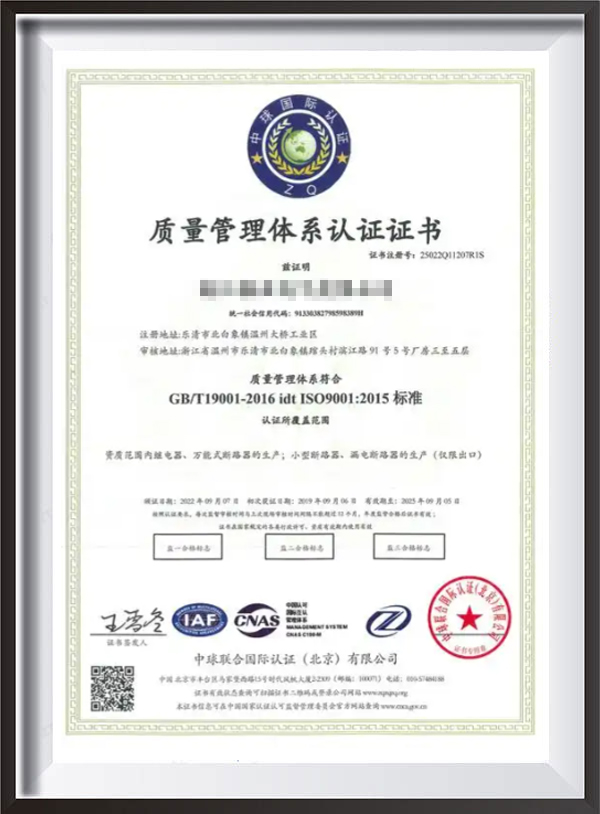
Total quality management runs across the production process, with inspection after each operation and final inspection of finished pins against the agreed drawing or standard. Our laboratory is equipped with a spectrometer, coordinate measuring machine and X-ray flaw detector, covering chemical composition, mechanical properties, non-destructive testing and geometric dimensions. Our operations are supported by ISO 9001 certification and an annual output exceeding 20,000 tons across multiple production and heat treatment lines.
Shipments are prepared in retail kits, blister packs, custom boxes or export cartons to match the sales channel, with batch documentation and inspection records issued with the delivery. Our location within a two-hour drive of the Shanghai and Ningbo port complex supports consolidated sea freight, with air freight arranged for urgent call-offs.
Information We Use to Configure Your Solution
Our proposal is built from the working point, the mating hole and the production target. The following inputs let us confirm tooling, tolerances and packing before quoting:
- Drawing or sample, with the dimensional standard to be applied
- Hole specification and intended fit: press, transition, clearance or driven taper
- Material, hardness and surface or coating requirement
- Pin type and end form, plus any matching nut, bolt or clip in the kit
- Order quantity, batch split, annual call-off pattern and required delivery date
- Packing format, labelling and destination port or delivery terms
Frequently Asked Questions
Which pin types does Better Fastener manufacture?
We produce cylindrical dowel pins, taper pins, coiled spring dowel pins, grooved pins, cotter pins, clevis pins, headed pins, ball joint pins and parallel keys, in carbon steel, alloy steel and stainless steel.
How do we decide between a dowel pin and a taper pin?
A dowel pin locates and transmits shear through a controlled diameter fit in a reamed hole. A taper pin creates its own friction lock in a matched taper, which allows the joint to be re-tightened after wear and needs no additional retention hardware.
Can pins be produced to our drawing or from a sample?
Yes. Custom development from drawings or samples is our core business. We confirm diameter and length tolerances, point and head geometry, hardness and coating before production, and issue the agreed specification for approval.
What inspection evidence is available with a pin order?
Finished pins are inspected against the agreed drawing or standard, and our laboratory covers chemical composition, mechanical properties, non-destructive testing and geometric dimensions using spectrometer, CMM and X-ray equipment. Inspection records are supplied with the shipment.
How are pins packed for different sales channels?
We build retail kits, blister packs, custom-printed boxes and export cartons, with batch labelling and quantity splits matched to line-side consumption or distribution requirements.
Do you supply complete pivot and retention kits rather than pins alone?
Yes. Pins can be consolidated with bolts, nuts, washers and clips into a single kit under one specification and one packaging plan, which simplifies receiving inspection and keeps mated parts dimensionally matched.





